
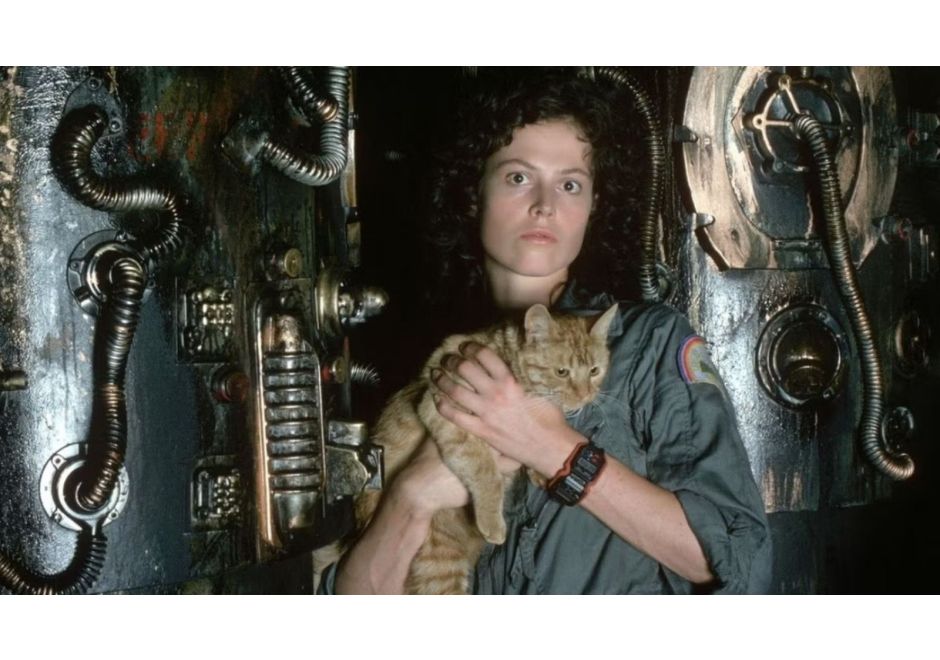
John Wick. Indiana Jones. Ripley. Walter White. These characters are more than the films and television shows they came from. They’ve become legends.
Well-written, believable characters are more than names on a page. They become people we care about and want to follow. Their journeys matter to us; we invest in their struggles, celebrate their victories, and sometimes even take cues from their lives.
Creating a character like that takes significant effort (and sometimes a bit of luck in casting). But for a screenwriter, defining your characters is the most important part of the craft. They are the ones your audience will follow. If viewers don’t care about them, they won’t care about the story.
Understanding what a character profile is and how to create one can help take your screenplay to the next level.
How to Make a Character Profile
There is no single way to make a character profile, yet creating one is critical because it forces the writer to dive deep into who their character is, what they want and why. Some writers will write pages dedicated to a single person in their character details, citing everything from religion and temperament to favorite movie and birth order. Others are less comprehensive.
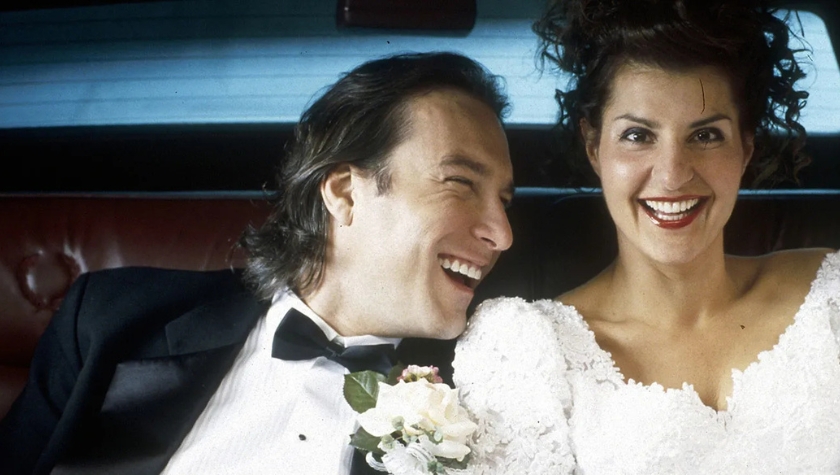
However, relatability is in the specific, not the broad. Not everyone who watched My Big Fat Greek Wedding was Greek, getting married, or falling in love with someone who doesn’t have the same ethnic background, but the $5 million dollar movie made over $240 million domestically because people could relate to the characters in the story, because their specific personalities reminded us of someone we know.
In-depth character profiles boost relatability and empathy.
The Basics
A character profile should, at minimum, include: name, age, job (if they have one), temperament and emotions. You will also want to define their role as a character, such as whether they are a protagonist/antagonist, sidekick, family member, etc.
The basics should also include any particular skills, talents and physical attributes that are important to note: slob, neat freak, fitness level, physical limitations and tattoos, for example.
Dive Deeper
This is critical for your main and supporting characters. Without diving deeper into who they are, your characters are likely to feel flat and indistinguishable from others in the movie. This can also cause problems as you continue writing, since you won’t have clear motivations driving them in your story.
For most, if not all, of your main and major supporting characters, you’ll want to create a list that includes some of the following:
- Personality
- Attitudes
- Religious Affiliation (if any, including history – maybe they grew up in one religion and converted or left).
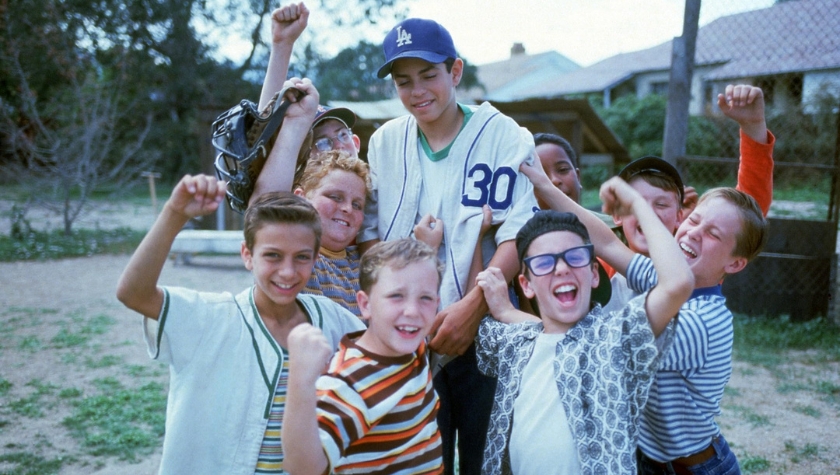
- Political Worldview, if necessary. The kids in The Sandlot probably don’t have opinions on politics, but John Wick might.
- Strengths/Weaknesses
- What are they afraid of? Think Indiana Jones who isn’t afraid of anything, except snakes.
- Secrets that are relevant to the story.
Who are They Before the Movie Starts?
To really dive deep into who your characters are, you’ll want to determine who they were. Our pasts impact who we are today, so it’s only appropriate that your characters have a history as well. We don’t learn who Daniel Plainview (Daniel Day-Lewis) is in There Will Be Blood but you know he has a complicated past. When creating character profiles, consider these details:
- Places they lived
- Childhood life
- Education
- Any major accomplishments or failures – Were they valedictorian? Did they blow it when trying to make the game-winning shot?
Finally, it’s important to determine where they fit in the overall story. Think about the supporting prisoners in The Shawshank Redemption. They are also memorable. Other than Red (Morgan Freeman) and Andy (Tim Robbins), the prisoners they’re friends with have specific reasons to be part of the story - even as supporting characters.
An Exercise in Creating Characters for Movies vs TV
A great exercise is to create a character profile example from a character you love. Think about who they are at all levels mentioned above. Start with the character on the surface: how old they are, emotions and temperament, and physical attributes.
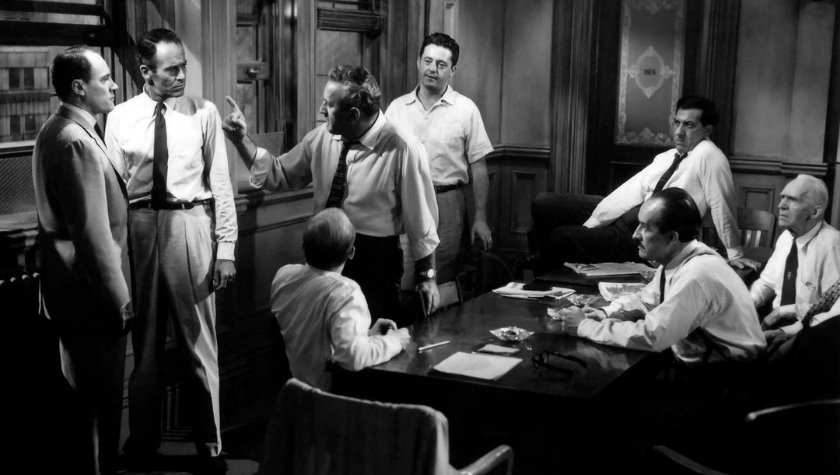
Also, don’t forget their name. Even the characters in 12 Angry Men who were only identified in the script as their Juror Number had real names, even if the viewer never learns it.
This exercise makes it easier to jump into the world of character profile creation. You’ll be able to use a familiar character and develop them from the ground up knowing what the result will be. It doesn’t matter if your character profile matches the original screenwriter’s; just doing the exercise helps.
Are Character Profiles Right for You?
There’s a good chance that there are a few Academy Award nominated screenwriters who have never developed a full character profile. There are also Oscar winners who have deep backstories and 10-30-page character profiles for most, if not all, of the characters in their script.
The only one who will know if writing character profiles is right for them is you. Not every writer needs a 10-page report on their characters but, at minimum, you should know the basics of your character and their role in the story you want to tell. The protagonist, antagonist and key supporting characters should all have character profiles. Without it, you could:
- Get stuck mid-draft because characters act inconsistently
- Write dialogue that feels interchangeable
- Struggle to generate organic conflict
If you gain energy by writing character profiles, keep doing it. However, if it feels like homework that delays pages, scale it back. You don’t want to sacrifice the satisfaction of writing with a mundane task, but don’t discount the importance of doing it.
Remember, a character profile is a tool — not a requirement.
A Step-by-Step Approach on How to Make a Character Profile
Here’s a simple, story-driven approach to creating character profiles:
1. Who is the character?
Determine whether the character is the protagonist, antagonist, mentor, foil, friend, etc.
2. What does the character want? (External Goal)
What does the character actively pursue? For example, Indiana Jones wants the Ark or the Holy Grail. Erin Brockovich wants justice.
3. What does the character need? (Internal Gap)
Indiana Jones doesn’t just want the Ark, he wants to preserve history, ensure a powerful weapon doesn’t fall into the hands of Nazis, and prove to himself he can find and secure something of historical value.
4. What is the history of the character?
Create the character backstory. Think about the first few scenes of Raiders of the Lost Ark. Indiana Jones is an intelligent, capable adventurer and then a professor. What was his childhood look like? Who were his parents? What type of education did he receive? Is he a playboy or more reserved? (The women in his classroom obviously had a crush on him and he never acted on it – that says a lot about who the character is).
5. Stress-test them
Think you have your character in good shape? Start writing and see what happens. Your characters can change, even after you started writing your screenplay. You can add to their history or remove parts of it. Maybe you wrote your character as a hot head, but in their first confrontation it’s more compelling if they played it cool. It’s okay to change your characters a bit as long as they are consistent throughout the story.
There are more examples of making character profiles if you want to get super specific. The Elements of Style is a tried-and-true book originally published in 1918 that includes a comprehensive list for those creating a deep character study. While all this may be helpful, remember that an actor may have their own interpretation. But a full profile can help them as well.
Characters must be specific and serve a purpose to the story – writing a profile can help ensure you’re making the best story out there.