
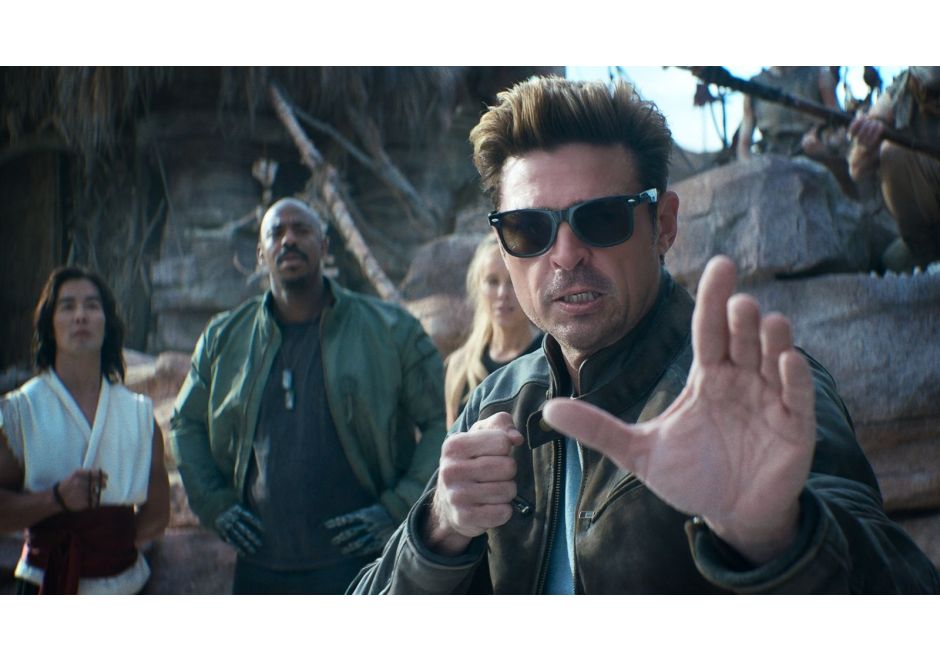
Adapting a franchise like Mortal Kombat comes with a built-in challenge: The audience already knows what they want, and they’re not shy about saying it. For screenwriter Jeremy Slater, stepping into Mortal Kombat II meant not just delivering the high-octane tournament the last movie promised, but listening closely to fan feedback and translating it into a story that works both emotionally and cinematically.
Writing Without a Safety Net
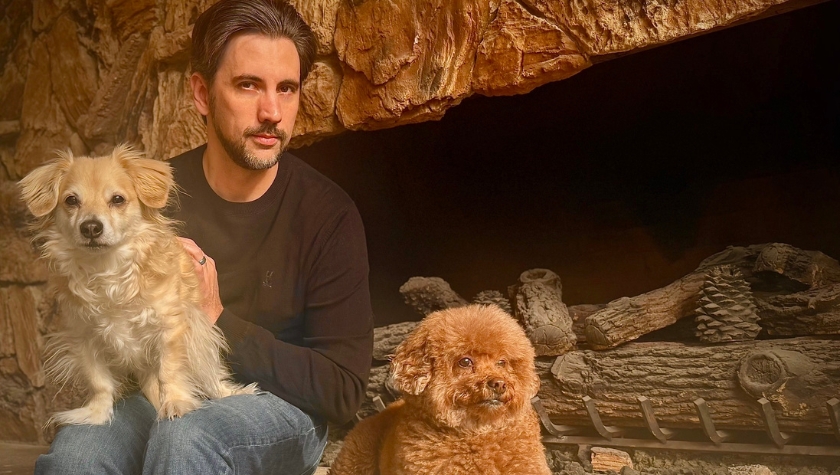
Slater’s path to screenwriting was an all-in commitment. He wrote his first screenplay at just 14, but it took over a decade of persistence before he broke in professionally. After graduating from the University of Notre Dame with a degree from a film school he describes as “Just a wall of VHS tapes,” he spent years working a string of jobs, from bartending to factory work, while writing for hours every night. That stretch of rejection, he says, was ultimately necessary. “I wasn’t ready. I didn’t know how to tell a story,” he says, adding that it took time to hone his skills before he finally got his first yes.
Slater has worked on franchises before, from Fantastic Four to Godzilla to The Exorcist, but this one felt different. Mortal Kombat II marked a rare experience in franchise filmmaking where he was the sole writer from start to finish. That level of ownership is unusual in large studio systems, where multiple writers are hired on the project.
“Everything that’s up there on the screen is what I wrote,” he says. That creative control is both liberating and daunting because there’s no one else to credit or blame. The result, however, feels intentional in both structure and tone.
Listening to the Fans
Slater approached Mortal Kombat II with a wealth of audience feedback already available. He treated it like a roadmap.
“We could go back and look at that feedback – here’s what the fans really loved – and let’s double down on that,” he says.
Equally important was identifying where the first film fell short and course-correcting accordingly. The goal wasn’t just to satisfy hardcore fans who’ve followed the franchise for decades, but also to create an accessible entry point for casual viewers who may not be familiar with the video game.
Slater’s philosophy is rooted in meeting audience expectations, but with a crucial twist. As he puts it, “You have to give them what they ultimately want, but in a way that they’re not expecting it.” In other words, deliver the familiar tropes fans crave, like the iconic characters, brutal fights, and over-the-top moments, but reshape them through character, tone, and structure so the experience still feels fresh.
Reverse Engineering the Tournament
Structurally, Mortal Kombat II is essentially a tournament narrative, which required Slater to plan out the fights like a sports strategist.
“The first step was just sort of drawing up an actual bracket because you sort of have to reverse engineer a movie like this. You have to figure out, who do I want as my two combatants fighting at the very end of the tournament?”
This reverse-engineering process ensured that the stakes could build with each fight. It also allowed him to integrate iconic elements from the video game, such as fatalities, stages, and character pairings, based on direct input from NetherRealm Studios, the game’s creators.
“They could kind of come back with a laundry list of things, like, “Oh, they love the Deadpool, and the Pit, and the Blue Portal, and they love this finishing move, and that finishing move. So, we were able to take that stuff directly from the game creators, and then sort of weave it into that bracket structure that I already built,” says Slater.
Favorite Fight
When it comes to standout sequences, Slater distinguishes between what excites him as a fan and what satisfies him as a writer.
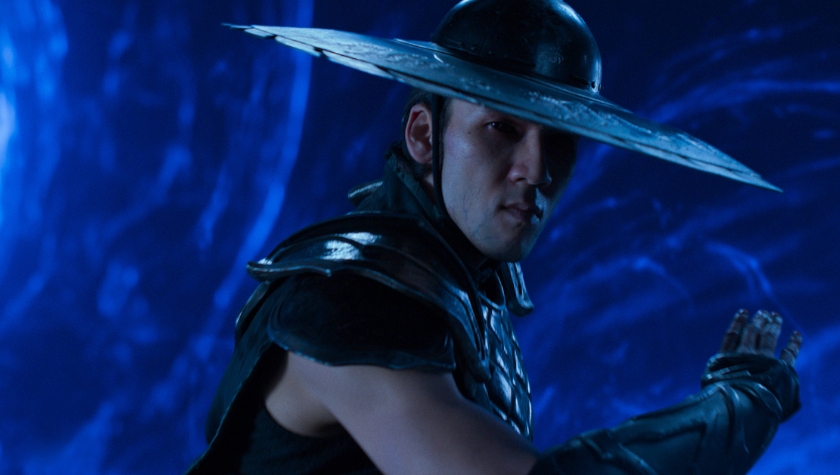
His favorite fight to watch is the Liu Kang/Kung Lao sequence, driven by the sheer athleticism of the performers.
“There's a story I love from that fight where one of the moves scripted was a 180 jump, and Max [Huang] came up to our director, Simon [McQuoid], and said, ‘Instead of doing a 180, would you mind if I did a 540 here?’ And everyone was like, is that physically possible? But that's him. He's not on wires, he's capable of just sort of flipping through the air like that, so when I'm watching as a fan, that is the most exciting moment.”
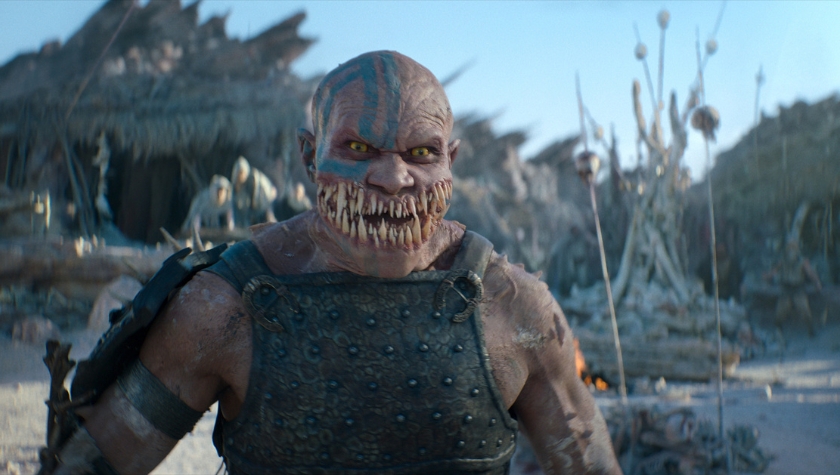
But the fight he’s most proud of is the Johnny Cage (Karl Urban) vs. Baraka (CJ Bloomfield) showdown.
“It's a really important moment in Johnny's journey, and Baraka was always my favorite character when I was a kid.”
That scene became a battle behind the scenes, as Slater pushed to include humor without undermining Baraka’s ferocity.
“I really had to argue my case. I said I know this isn't traditionally the way Baraka’s been portrayed in the games, but I really think the tone of this scene is going to work. It's been really gratifying watching the audience react to that fight in exactly the way I dreamed they would.”
How to Write a Fight Scene That Actually Works
Slater’s most valuable insight for screenwriters is that all action scenes must be technically solid, but also come from character motivation.
“There’s sort of two elements that make a good fight scene,” he says. He breaks them down this way.
The Technical Execution: Can the fight be staged, choreographed, and filmed in a way that feels visceral and exciting?
The Emotional Stakes: What does each character want in this moment, and what happens if they fail?
If a fight exists purely because, as Slater puts it, “It’s been 10 minutes since we’ve had a fight,” it won’t be satisfying. But if the characters are fighting for something personal or emotional like survival, redemption, or the fate of a loved one, the audience gets invested.
In Mortal Kombat II, those motivations range from life-or-death stakes to more nuanced emotional conflicts, such as fighting former allies, facing someone you fear is stronger, or confronting a rival you don’t want to kill.
“When both of those things are working in harmony, that’s when you get the better fights.”
Violence, Comedy, and the Audience
Blending brutality with humor can be a challenge, especially in a franchise known for over-the-top fatalities. Slater’s approach is rooted in the fans.
“You have to know who the movie is for,” he says.
Rather than leaning into bloody, punishing violence, Mortal Kombat II embraces the franchise’s inherent absurdity, where a shocking moment is immediately followed by laughter. The goal is not to exhaust the audience, but to entertain them. This requires constant adjustments on the page, on set, and in the edit. At each point you have to ask, how far is too far, and when do we pull back?
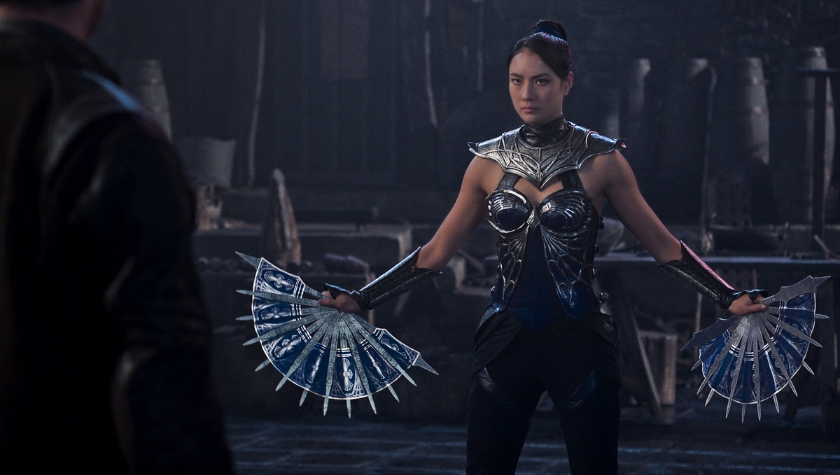
Character Motivation
Even in a spectacle-driven film, Slater keeps returning to one thing: Character.
Take Johnny Cage. Instead of portraying him as an untouchable superstar, Slater reimagines him as a once-promising performer whose career has slipped away but is now getting a second shot at greatness.
That shift transforms him from a caricature into a protagonist with emotional stakes. It’s also a reminder that even the most heightened genre stories need a human anchor.
For writers tackling action, the lesson is clear: The set pieces may draw the audience in, but it’s the grounded emotional stakes that make them stay.
Mortal Kombat II is currently in theaters.