
Family isn’t always defined by blood. It’s often defined by the people we meet along the way, the relationships and experiences we share with them, and the bonds we form when circumstances bring us together.
In movies and television, these found family relationships have given us some of the greatest characters and most beloved stories we’ve ever seen on the big or small screen.
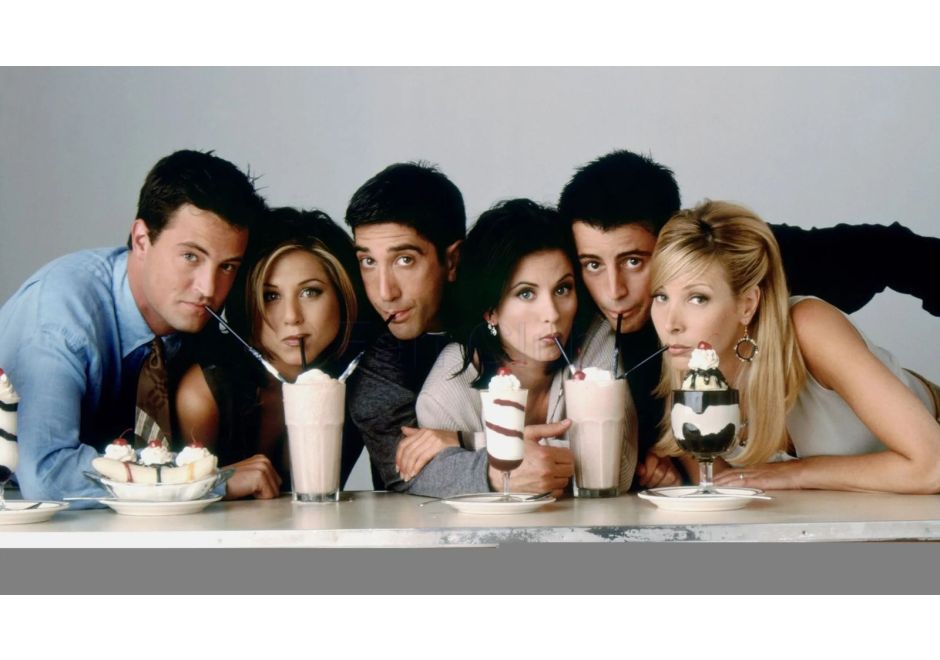
Friends brought six twenty-somethings together that led to one of the most iconic examples of a found family. Decades later, shows like Ted Lasso and The Bear created found families through sports and cooking. Guardians of the Galaxy gathered an unlikely collection of superheroes together. Even iconic movies like Star Wars have found family elements with Luke Skywalker, Han Solo, Princess Leia, Chewbacca, R2-D2, and C-3PO. By Return of the Jedi, they were a family (even before the reveal that Leia and Luke were brother and sister).
Found Family stories offer screenwriters an opportunity to explore the emotional connections between characters who have very little in common beyond the circumstances that bring them together. It’s also a very relatable story and character element because the audience likely has found families of their own in their neighborhoods, schools, and workplaces.
But what exactly makes a found family story work?
With that question in mind, let’s dive a little deeper into the found family story dynamics, and how to get these types of stories on the page.
What Is a ‘Found Family’?
A found family is a group of individuals who develop meaningful, family-like relationships despite having no biological or legal connection to one another. In movies and television, these characters often come from different backgrounds, have conflicting (or complementary) personalities, and have experienced things that leave them searching for something missing in their lives.
What brings them together isn’t always love or friendship from the get go. They’re usually united by circumstances beyond their control. It’s through their shared experiences that they gradually develop emotional bonds that transform them into makeshift families.
Examples of Cinematic ‘Found Family’ Stories
Found family stories are everywhere in movies and television.
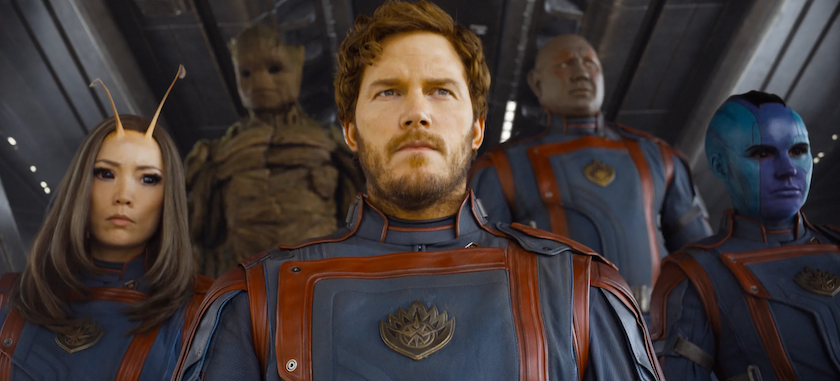
In Guardians of the Galaxy, Peter Quill, Gamora, Drax, Rocket, and Groot begin as an odd collection of criminals, outcasts, and reluctant allies. They have little reason to trust one another, but circumstances force them to have to work together. Each of them has their own pasts, motivations, struggles, and emotional baggage. But they’re forced to work together against a common threat. During their journey, they slowly discover something they never expected - belonging. They’ve finally found a family that they feel like they belong to.
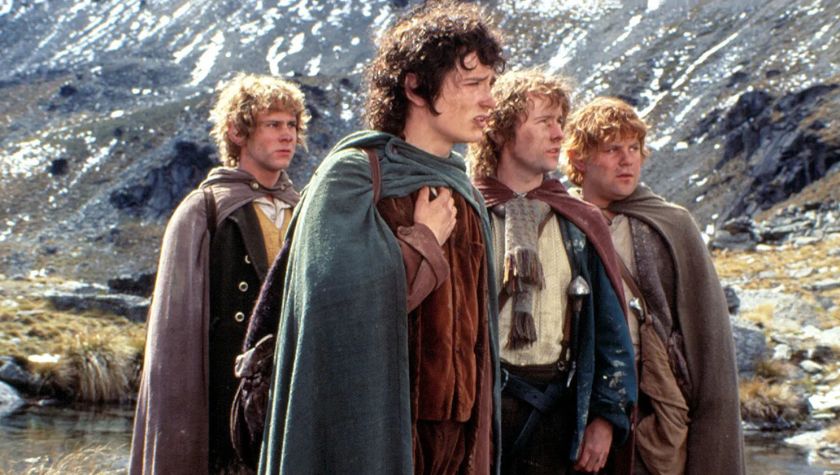
In The Lord of the Rings, a fellowship of humans, hobbits, an elf, a dwarf, and a wizard are brought together for an adventure to save Middle Earth. Most of them represent cultures with longstanding conflict and prejudices. But their shared mission forces them to overcome those differences. And as they do, they form familial bonds.
The Fast and Furious franchise is notorious for its “family” declarations and takes a somewhat different approach. Dominic Toretto has blood family with his sister. However, his larger found family is built around loyalty and trust. Characters who initially begin as rivals, strangers, and even enemies eventually become part of his extended family. The franchise reinforces the idea that family isn’t something you’re always born into. It’s something you build through action and commitments to one another.
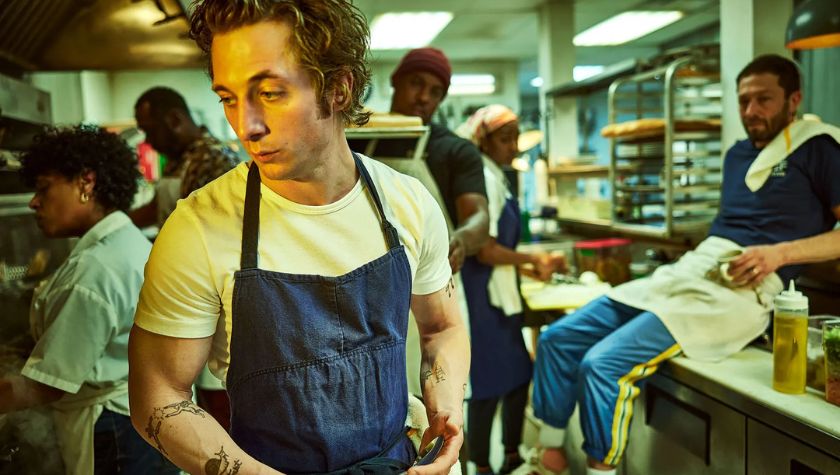
The cast of characters in the acclaimed television series The Bear is made up of coworkers who work in a frantic restaurant kitchen environment. There are blood relatives in the mix with Carmy and Natalie, but there’s also a tightly-knit family forged inside the kitchen that Carmy now runs. Carmy, Sydney, Richie, Tina, Marcus, and the Fak brothers deal with the intense pressure of running a restaurant. This journey bonds them as a family.
Ted Lasso blends a fish out of water concept (an American football coach brought in to coach an overseas soccer team) with the found family trope. Ted is challenged with bringing a soccer team together. Rebecca begins as an antagonist, but is soon brought under the charm of Ted. All of these characters come together to care for, support, and heal one another.
Friends opens with friends hanging out at a coffee shop together. Monica and Ross are brother and sister. Chandler, Phoebe, and Joey are friends of theirs. Rachel comes into the picture as an old friend of Monica’s, as well as Ross’s long-lasting crush. She has just left her groom at the altar and needs a place to stay. Monica agrees to let her stay at her apartment. This group already had found family elements, but Rachel is the final piece that bonds them. Before we know it, we’re watching them spend Thanksgivings and Christmases together.
As you can see, found family stories aren’t limited to any genre. They can exist within genres like action, fantasy, adventure, science fiction, comedy, dramas, thrillers, etc. The defining characteristic is the emotional transformation of a group of characters who begin as individuals and gradually become something greater together.
What Types of Characters Are in a ‘Found Family’?
The key element of developing a great found family story is creating characters who are very distinct from one another. If everyone shares the same personality traits, world views, motivations, and emotional struggles, there’s little opportunity for conflict. And conflict is what drives all great stories. And specifically for found family stories, you need conflict to drive the story and character arcs.
When you’re developing your cast of characters for a found family story, you should always approach the characters as individuals first. Develop their wants, needs, flaws, strengths, vices, and personal histories. Then you can begin to explore how those characteristics are going to affect their relationships with others in the group.
There isn’t a required collection of character archetypes for found family stories, but you’ll often find certain personalities and character types within successful found family ensembles.
The Reluctant Leader
Peter Quill from Guardians of the Galaxy would fall under this archetype, as would Carmy from The Bear, Strider from The Lord of the Rings, and even Dominic from The Fast and the Furious.
This character often assumes responsibility for the group, whether they want that responsibility or not. They may be the most experienced, capable, or emotionally invested member of the group, but their leadership is frequently challenged by their own personal flaws.
The Outsider
In Friends, Rachel is the initial outsider, despite having history with Monica and Ross. She comes into their found family dynamic and implants herself within them as the group deals with her somewhat spoiled, rich girl ways.
The outsider is someone who struggles to fit in. They’ve experienced rejection, isolation, or personal loss. Their emotional journey revolves around discovering that acceptance doesn’t require them to be someone else. The group eventually accepts her as she is, and helps her with her own personal struggles as she becomes the best version of herself. As the series goes on, all of the characters in this found family get a chance to do the same.
The Heart of the Group
In The Lord of the Rings, Samwise Gamgee has unwavering loyalty to Frodo. His emotional strength and his undying bond with his best friend represents the heart of the fellowship.
This type of character provides emotional stability, compassion, and optimism - especially when the group begins to fracture. They don’t have to be the strongest and most capable characters. Their greatest contribution is their ability to recognize the humanity in others.
Phoebe in Friends is always the heart of the group. The Fak brothers bring heart to the found family within The Bear.
The Comic Relief
Humor can often play a big part in found family stories, especially when characters are dealing with stressful or emotionally difficult circumstances. It’s always good to have a little levity and emotional release by having a character that offers comic relief.
Chandler in Friends is the perfect example. While other characters bring tons of humor to the mix, Chandler is always the one trying to get a laugh. But he admits that his humor is a defense mechanism, which adds to his own character arc.
The Skeptic
The skeptic questions the group’s decisions, challenges the leadership, and usually resists emotional attachment as much as they can at first. Oddly enough, Chandler from Friends falls under this umbrella as well. He’s always the skeptic.
In The Lord of the Rings, Gimli would fall under the skeptic umbrella as well.
Skeptics always keep the group in check. They point out issues with the group’s decisions, making them rethink their approach to whatever conflict at hand. Skeptics aren’t always right. But they bring necessary conflict and reflection into the group.
These character types aren’t mandatory in found family stories. And certain characters can also fulfill multiple roles within the group. A reluctant leader can also be the heart of the group. A skeptic can also be the comic relief. The key thing to remember is to create characters that both complement and challenge one another.
How to Structure a Found Family Story
Found family stories can be placed within any genre and any narrative structure. However, many of them utilize an emotional progression pattern and structure.
For movies, the key is understanding that the formation of the found family should always develop alongside the central plot, rather than existing as a separate storyline. In television, the found family is usually at the center as the overall concept of the series. The characters then showcase their found family dynamics through episodic plots.
But when you’re writing a pilot for a found family series, there’s a similar cinematic movie structure you can follow to introduce the cast of characters.
Act One: Bringing the Characters Together
The first act introduces the characters as individuals, establishing their personalities, motivations, and circumstances that will eventually bring them together. In many found family stories, the characters don’t initially choose one another. They’re forced together by a shared objective, an unexpected crisis, a professional obligation, and sometimes by mere chance.
Act Two: Building Family-like Relationships Through Conflict
The second act is where the family begins to take shape. They’ve been through major conflicts together. As they pursue a common goal or objective, or deal with circumstances that have forced them together, they encounter conflicts that test their abilities to cooperate with each other. Sometimes it’s as simple as them trying to co-exist amongst their differences.
These conflicts provide the best opportunities for great character development.
- A selfish character may make an unexpected sacrifice for the group.
- A skeptical character may put their trust in someone else.
- A reluctant leader may discover that leading starts with listening.
This can lead to a great midpoint in the story where the group finds its first meaningful victory together. For a brief moment, they begin functioning not just as a group, but as a family. However, that growing connection creates something new for the characters to lose. They’ve become a family.
Act Three: Testing the Family
As the story approaches its climax, the relationships within the found family should face their greatest challenge. They care about each other now. Losing one of them would be a drastic loss.
In The Lord of the Rings, the fellowship fractures under the weight of its mission. But the bonds survive even when the group can’t remain together. In The Bear, Carmy and Richie struggle to co-exist. But it’s their brotherhood that keeps them bonded despite their differences.
The third act is what proves that this group isn’t just a group of characters forced together. They are a family now.
Explore the ‘Found Family’ Characters on the Page
The most effective found family movies and television series aren’t just about bringing a collection of characters together. It’s all about exploring how those characters change because of the relationships they develop with each other, despite their differences. It’s actually a thrilling experience for screenwriters because you learn true character development outside of character backgrounds and archetypes. You’re instead tasked with creating more character depth by exploring how characters deal with conflicts with other characters. Their actions and reactions will create more depth. And, in turn, the actions and reactions of other characters to those actions and reactions will create additional depth for all characters involved. And then you have created a found family dynamic that can drive and/or live within any concept, any genre, and any type of story, creating added drama and catharsis for the audience.
That is how you bring a found family to the page in the best of ways.