
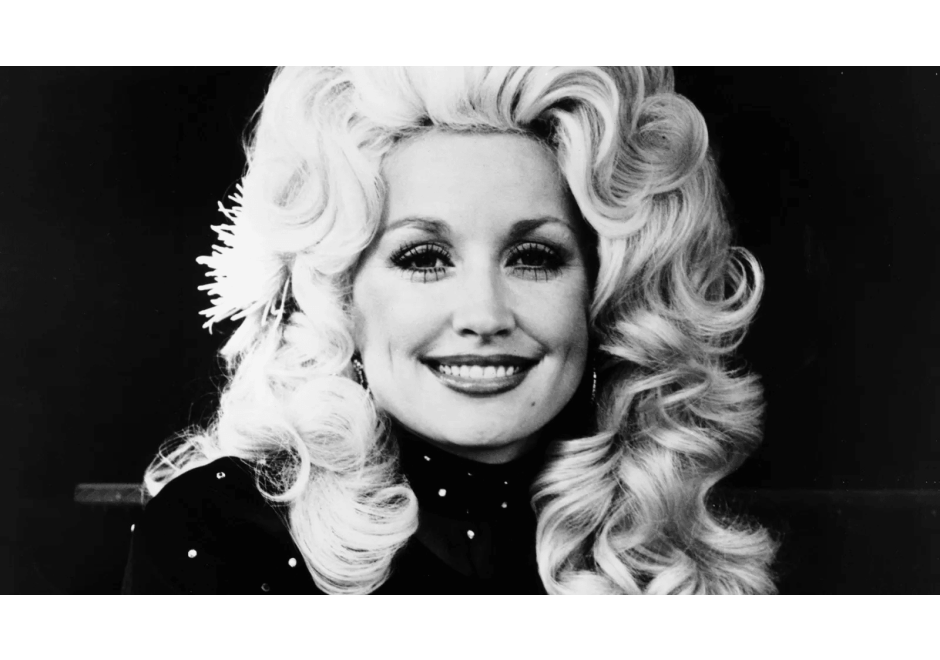
Dolly Parton died Aug. 25 in Nashville at the age of 80. We lost an absolute legend of a personality and one of the most prolific songwriters of our time, with thousands of song credits to her name, among them some of the most popular songs of our lifetimes.
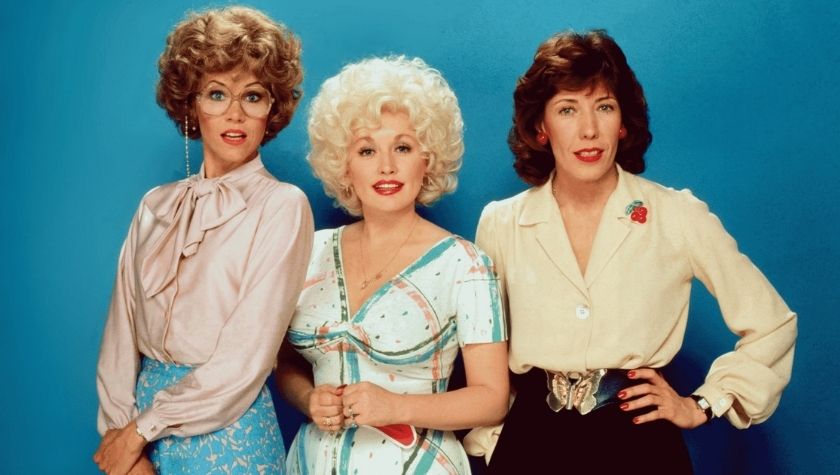
You probably know "9 to 5" and "Jolene." But did you know Parton also wrote for film and TV? Parton told stories in multiple mediums, including a 1991 teleplay that many have forgotten.
'Wild Texas Wind'
One of Parton's earliest story credits was on Wild Texas Wind, a Texas-set drama she also starred in alongside Gary Busey and real-life musician friend Ray Benson.
The film was directed by Joan Tewkesbury, best known for writing the Robert Altman Americana classic Nashville.
Parton stars as Thiola "Big T" Rayfield, an up-and-coming country singer who falls in with Justice Parker (Busey), her new manager who promises her the stars but reveals himself to be an abusive alcoholic.
According to the Internet Archive, this was intended to be the first film in a series following Parton's Big T character, with the next story set in Nashville. Unfortunately, the film is essentially lost media, with the soundtrack never issued and the movie itself never getting a DVD release.
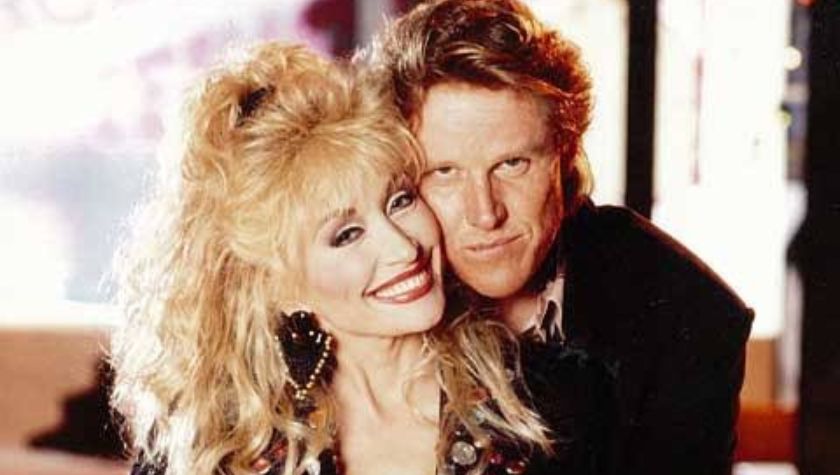
I wish there was more to be found about her process on this film. She wrote in her lyrics book (Dolly Parton, Songteller) about the songs she created for the movie, which provides a view on how she had to flex her power as a producer to get Benson cast... and how the movie got its title.
"'Big T' stood for 'Big Texas.' So that's what I wanted to call the movie. Someone said, 'You can't call it that.' I said, 'Why not?' They said, 'Because everybody's going to think it stands for your big T's.' I said, 'That goes to show you how everybody's mind goes to that place.' Any titty joke, they'll go for. So we wound up calling it Wild Texas Wind. In the film, Gary Busey was being abusive. 'Gary Abusey' is what I said as a joke. I thought he did a really good job, but people didn't like to see me getting beat up. I think my fans don't want to see me playing that kind of role."
Songs as Story
Parton later went on to other story credits, including several fiction and nonfiction books. But she'd been telling stories in song form for decades before her film credits.
In Songteller, she wrote in her introduction:
"I write a lot from my own heart. But I also just have a big imagination. When I was young, we didn't go to the movies, so I just created my own stories. It's kind of embedded in me to make up songs and stories. I'd read something in a book or hear something and think, 'What would happen next? What kind of story would that turn out to be?'"
No matter your medium, this is often the approach for any writer; seeing a situation or person and building a world around them. For instance, Parton would often spend time in cemeteries and imagine what lives the interred had lived, she wrote.
In 2022, she co-authored a mystery/thriller book with James Patterson, Run, Rose, Run. Patterson praised Parton in an interview on her official site.
"Dolly's also a gifted storyteller. Every one of her songs is a story. I thought we'd make a good team. As it turned out—I was right." He said that they developed plot and characters together, "in layers."
She often spoke of her songs as narratives, too. In 2022, she appeared on the WorkLife podcast to discuss the Patterson collaboration. She said, "I love stories. All my songs tell stories."
Many of her songs were autobiographical. "Coat of Many Colors" was about a coat her mother made for her when they didn't have much money. When a bank teller developed a crush on her husband Carl Dean, she wrote "Jolene."
"She got this terrible crush on my husband," she told NPR in 2008 (via Houston Public Media). "And he just loved going to the bank because she paid him so much attention."
In addition, many of her songs have essential story elements, like setting, characters, and theme. "9 to 5" sets a scene that opens the film of the same name. "Sneakin' Around" in Best Little Whorehouse develops a romance through a duet.
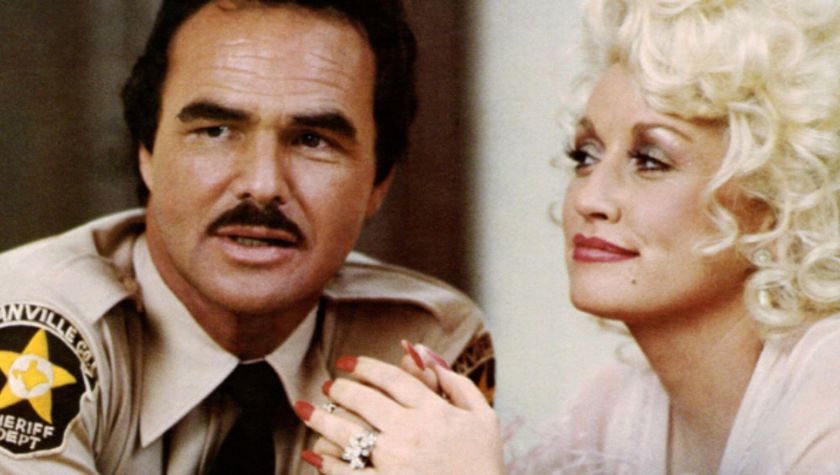
She was aware of the diversity of her subject matter, too. "House of Shame" was a country tune she wrote for her mentor, Porter Wagoner.
"I write about everything," she said of the song in Songteller. "Is there anything in the world that I haven't written about? I don't think so, and if there is, I'm going to! Porter and I often agreed on songs. He liked dramatic, storytelling lyrics as much as I do."