
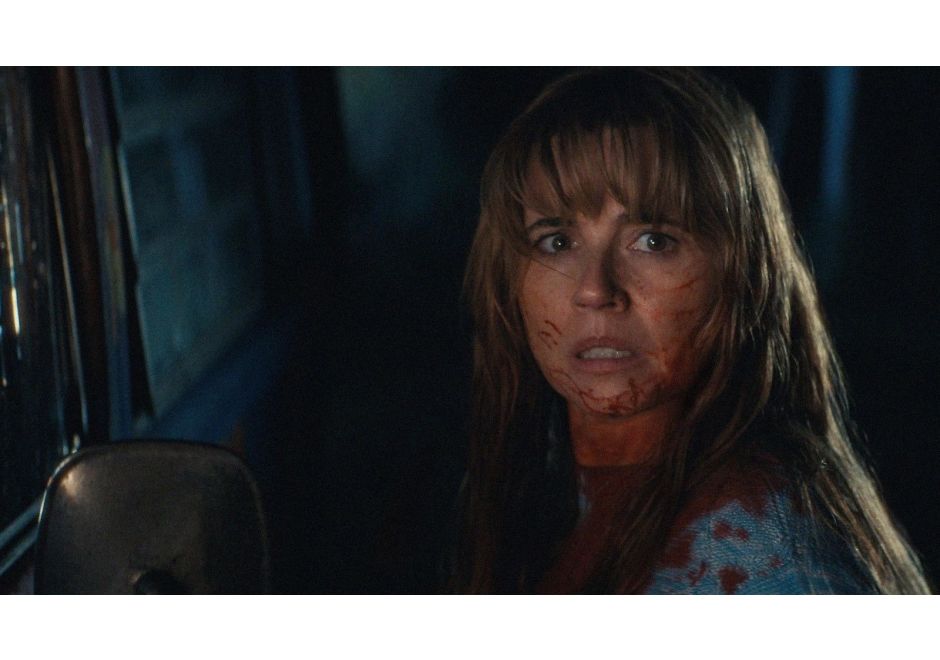
When it comes to cult classics, compelling films, and unusual worlds, it’s clear that audiences want more information. Films like Cape Fear, Friday the 13th, Carrie and Psycho have recently expanded their stories to explore more characters, settings and origins. With audiences clamoring for expanded stories, Friday the 13th was ripe for a TV series, and it was up to showrunner Brad Caleb Kane to create one that honored the mythology of the camp and the characters who made it famous.
Crystal Lake is the origin story of Camp Crystal Lake’s resident serial killer Mrs. Voorhees and her son, Jason. The Friday the 13th films provide a glimpse into that backstory, but the main focus of the movie was on horny camp counselors whose irresponsibility resulted in Jason’s drowning. Then, after several are slashed and killed in gory ways, it’s revealed (spoiler alert) that Mrs. Voorhees was exacting her revenge on camp counselors who seemed preoccupied with sex and drugs rather than the well-being of the campers.
“This is a world that I return to over and over and over again,” creator Brad Caleb Kane said in a Deadline interview. “I return to these movies, we all do, somehow. They became iconic for a reason. But there’s a lot we don’t know about the town. We meet these really colorful characters in the first movie…but we don’t see that much of them.”
That’s the appeal for a TV series like Crystal Lake. It’s a new way to return to something iconic.
The Questions to Ask When Rebooting, Remaking or Reimagining
Every filmmaker or show creator has their reason for putting their spin on established intellectual property (IP). The trick is finding the story that gives audiences something new without losing what made the original resonate.
Who are the characters we barely got to know?
From movies like Wicked and Little Women to TV series like Carrie and Crystal Lake, there’s often a character or detail in the original material that hints at a story worth exploring. Crystal Lake digs deep into who the people in the town are, from the sheriff to camp counselors to Ralph (Nick Cordileone). Characters who once served simply as victims or comic relief become fully developed people with their own motivations and purposes.
Why tell this story now?
Even though the TV series takes place in the 1970s, there are still ways to make it resonate with modern audiences. The show explores cultural attitudes and the consequences of gossip, feelings toward institutions, or real-world fears.
“It’s all rooted in the period that Pamela and Jason came up in – the ’60s and ’70s. I think one of the major themes of that time in America was a mistrust of institutions, and we’re experiencing that now, too,” Kane said in a TheAUReview.com interview. “We don’t know what the hell is in our food. We don’t know what’s in our medications. That was a big part of the ’70s: trying to re-examine who we are as a nation and as people when we can’t trust the things we thought we could trust.”
What can you change without losing the original’s identity?
This question is also about what needs to stay. Although the creators have creative license, audiences come in with expectations shaped by the original material. The key is identifying which elements preserve the moments, themes, and imagery that stick out in the original – the machete, the canoe, and the town itself, for example.
“I know the Jason lore very well,” Kane said in a New York Post interview. “I’ve collected all the information, put it in the pot and just sort of made the story I wanted to make.”
How Do You Keep Viewers on the Edge of Their Sofas?
Horror thrives on anticipation, the slow build up and then the scare. No doubt it’s easier to make an audience in a movie theater jump, but how do you translate that experience to episodic TV?
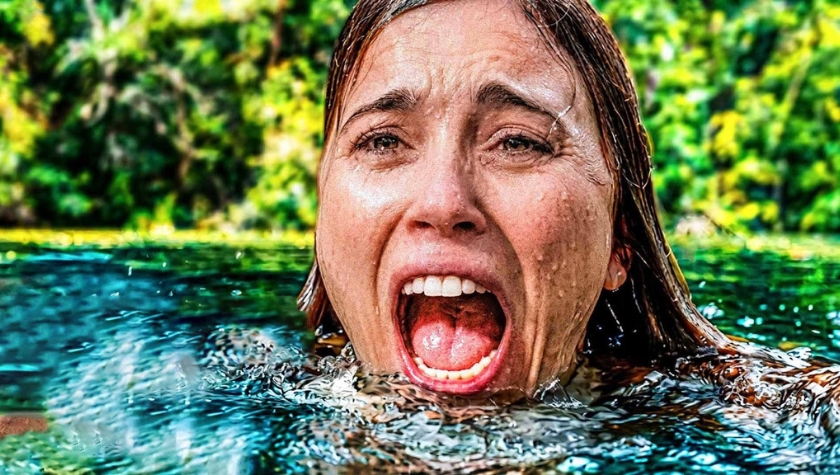
First off, embrace that you’re unlikely to deliver those same scares on a phone or TV screen. Instead, it’s about using each episode to build dread and draw viewers into motivations, discoveries, suspicion and hints of danger that lay ahead. As you’re increasing the anticipation, you’ll want to tease it. In Crystal Lake, there are moments throughout in which sudden acts of violence show the audience how gruesome things can get and what characters are willing to do.
Once the audience knows the blood and gore that awaits, it turns any moment into the potential for something scary.
TV Series or Movie?
In a world eager to know more about our favorite villains, the origins of Pamela Voorhees deserved a story. Why tell it in 8 episodes versus a two-hour movie? The reason is because it’s not just a story about a person, but a place – Camp Crystal Lake. While the story revolves around the trauma of Pamela (Linda Cardellini), Kane uses the multi-episode series to encompass the people and setting from Friday the 13th.
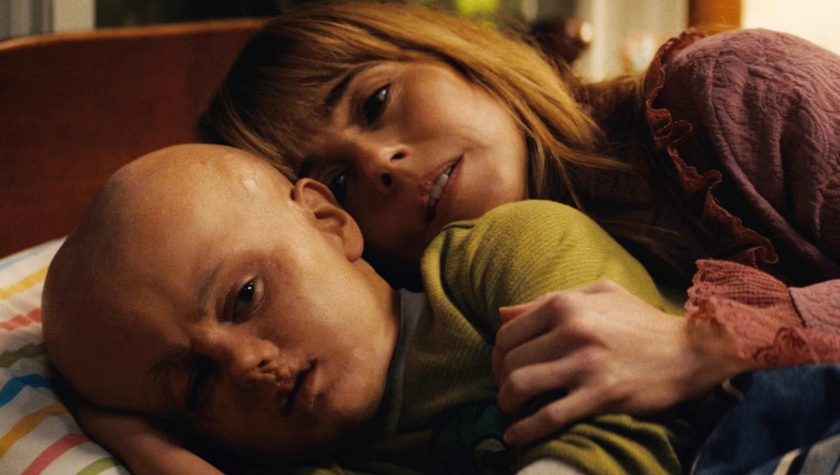
“Obviously, it’s not just Pam’s story, it’s Crystal Lake, so you have all of the peripheral characters who are interesting to me,” Kane said in his Deadline interview. “With a show like this, we have the opportunity to open it up and spend a little more time with them. Everybody loves a small-town show, and within the world of Friday the 13th, that just becomes more amplified and interesting.”
The episodic format lends itself to developing secondary characters, building subplots, and letting suspense rise through hours of storytelling, more than the time allotted for a feature film.
“With a 90-minute movie, you can get in and out without explanation.” Kane said in his TheAUReview.com interview. “We go to movies for different things than we come to television for. We come to television for character. Long-form storytelling allows you to go deeper, to explore those characters and create more labyrinthine, complex stories and backstories.”
Be Careful with Nostalgia
Rewarding loyal fans of IP with Easter eggs and familiar, supporting characters, scenes and moments feels necessary. But nostalgia isn’t going to sustain a story; not across a movie or series. The goal isn’t to recreate memorable moments from the original source but to give those details meaning in the overall story.
Scream is a perfect example of how the movie uses horror references to acknowledge genre tropes while building its own story around them. Those references worked because the characters grew up watching those horror movies and so they’re part of their world. Stranger Things also incorporates 80s nostalgia throughout the series but it doesn’t drive the storylines or characters.
If you’re using nostalgia, it’s important that it reinforces the story so that it has meaning beyond someone just recognizing it for fun. Kane was able to take Friday the 13th and find the stories that he could expand on while also focusing on Pamela and the events leading up to the first film. When adapting existing material, whether it’s a writing assignment or a story based on something in the public domain, look for the story you can tell that audiences haven’t seen before, in the context of a story they already love.