
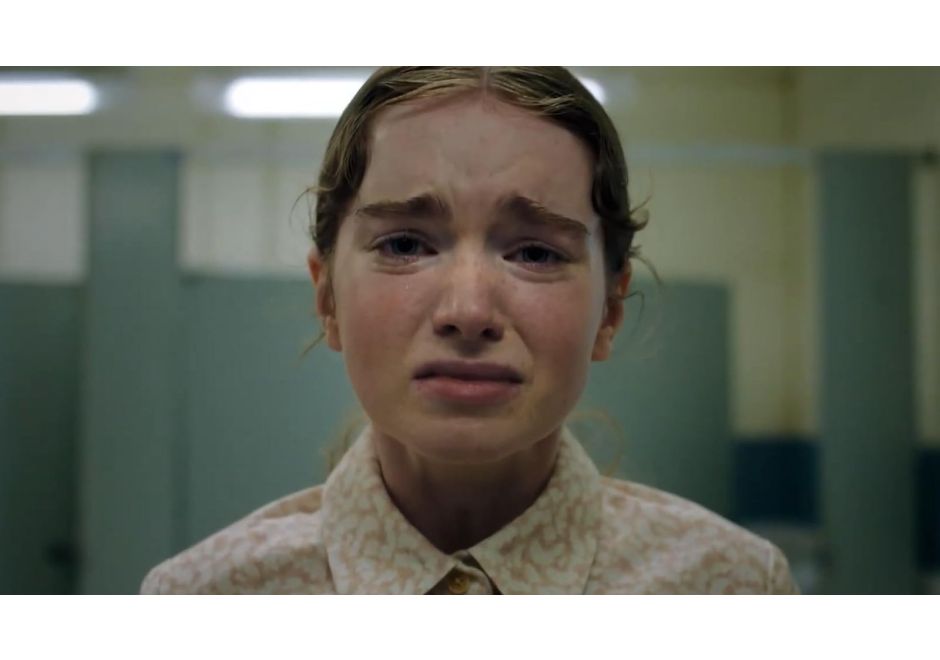
Carrie has been around for over 50 years. Stephen King's first published novel became a classic horror movie, along with subsequent films, sequels, and reboots. Why remake it again? That's a question creator Mike Flanagan had to answer not only for King, but for himself.
"The answer I came up with was you don't—you do something new, and you use Carrie and the structure and the characters that we think we know as a way to usher this story into being," Flanagan said in a Men's Health interview.
Flanagan has made a name for himself through his stellar adaptations of Stephen King novels (Gerald's Game, Doctor Sleep, and The Life of Chuck) and by creating compelling horror miniseries (The Fall of the House of Usher, The Haunting of Hill House, and The Haunting of Bly Manor). Flanagan often meshes horrific concepts with humanistic drama, making the story of a bullied high schooler with telekinetic powers a natural next step for him.
"The themes in Carrie about human cruelty and empathy feel more relevant today than they did 50 years ago," Flanagan said in a Den of Geek interview. "So why not put those characters through the looking glass into these familiar but unfamiliar distortions of the characters we expect, and see what story grows out of that?"
Flanagan indeed created a mirror on society, from teenagers navigating the complexities of high school to parenting and teaching in a world where reality is altered. Carrie also shows how screenwriters can use a basic foundation to drive their story regardless of genre.
Here's what writers can learn from Flanagan's Carrie.
Lessons in Adapting Material
Not since Frank Darabont has someone been able to tackle Stephen King material in a way like Flanagan does. An important lesson is to know that you're not going to be able to recreate it beat-for-beat from page-to-screen, that's not how movies or TV work. The keys to adapting material include understanding what makes the original story work while finding new ways to explore its characters, themes and conflicts in a way that will resonate with audiences.
"One of the things about stories that endure is that they have something in them that is cyclically true," Flanagan told Men's Health. "They have something in them that keeps coming up and you keep seeing echoes of. And so, I love when I see an event in the real world that makes me think of something that was written 100 years ago."
With Carrie, Flanagan expands on the story audiences already knew, focusing in greater depth on the relationships and circumstances surrounding Carrie (Summer H. Howell). The TV series isn't just about Carrie, but everyone in her orbit and how their lives are interwoven in the story.
With the likelihood of more seasons in the Carrie-verse, Flanagan demonstrates how adapting from an original source can be used to expand the possibilities of where the story can go.
Every Character Needs an Arc
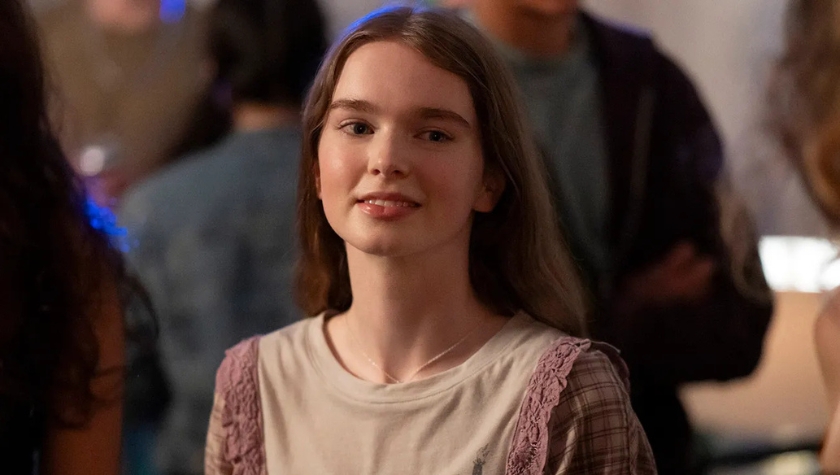
It may be Carrie's story, but there are lots of characters she encounters. What Carrie does well is have complex character arcs that change based on their interactions with other characters, as arcs are supposed to do.
From the first scene of the TV series, the viewer knows where the show is going – a prom night filled with fire, violence, and confusion. The character arc involves how the other characters get there and what their fate will be based on the consequences of their actions. This is how character development drives the plot. Throughout the series, there are interactions and conversations that change relationships, challenge what a character believes, or force them to make decisions, all of which have ripples throughout the series.
Character arcs change through scenes, episodes, and the series. Rarely does it result in someone becoming a better person, especially in Carrie, where someone may grow more confident in their decisions, become more resentful toward another character, or choose right vs. wrong.
It's often not a major event, but, as Flanagan said to Men's Health, "It's just that one little thing that tips it over because I do think, in life, it's never the big thing. It's the accumulation of all the little choices that put us where we are."
Arcs don't occur in isolation. Carrie shows screenwriters how important it is that a character's journey intersects with several others and how that helps viewers care about the characters.
Research is More Than Gathering Facts
Christopher Nolan had to research nuclear science and the life of Oppenheimer to write an Oscar-winning film. The writers of Twisters had to learn about tornadoes and meteorology. And Flanagan, a man in his late-40s, needed to research how high schoolers talk and interact with one another to authentically portray students at Ewen High School.
According to his interview with Den of Geek, Flanagan invited teenagers into the writers' room to get their perspective of what a modern-day high school looks like. They provided information on speaking amongst peers, walking through metal detectors, experiencing active shooter drills and, likely, social media interaction.
Research shouldn't be used only for historical or biographical narratives; it can also enhance contemporary stories and make them feel more genuine. This can mean understanding how people live, speak, and respond to the world around them, whether a high schooler, a principal, a broke lawyer, or a mother whose life has been upended.
The Adults in the Room
High schoolers don't just deal with fellow teenagers; they have to interact with principals, teachers, guidance counselors, parents, and other adults in the world. And, of course, those grown-ups converse with one another as well.
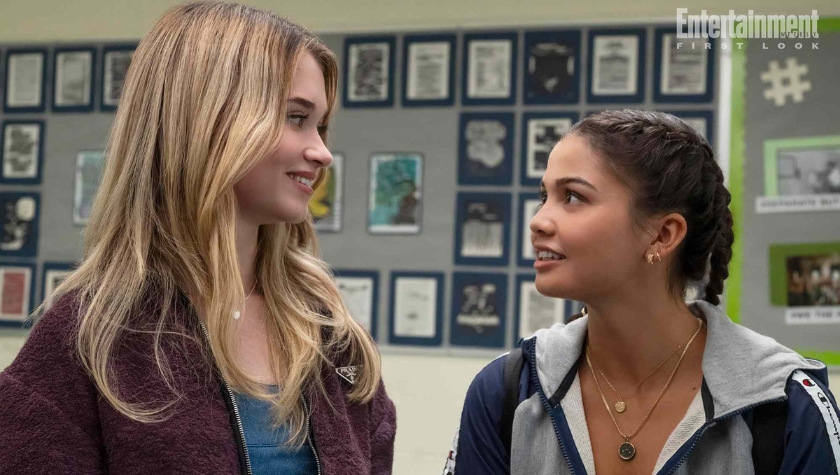
What Flanagan does well with Carrie is show how the outside lives of teenagers impact who they are and how they react to situations. When Chris (Alison Thorton) discovers her father's financial troubles at the same time Carrie arrives at school, it unsettles the world she knew and the expectations she had for her future.
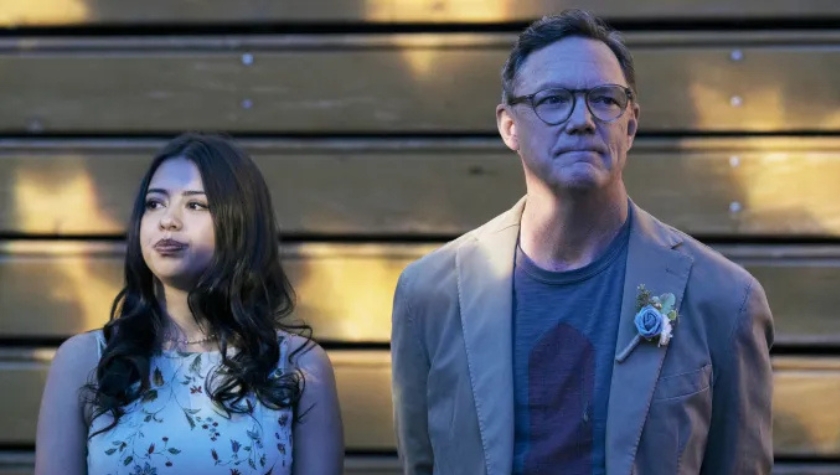
As problems at Ewen High School escalate, Principal Grayle (Matthew Lillard) is the adult trying to de-escalate, only to find that his good intentions constantly feel like kicking the can down the road and might actually be inadvertently hurting the students.
With Carrie's mom, Margaret (Samantha Sloyan), she had kept Carrie locked in the house until the untimely death of her husband. She must contend with the real world and her daughter finding things out that she meant to always keep hidden. Even as Margaret is exposed to the unfamiliar world, she not only judges and manipulates those around her, but also starts getting wrapped up in it — such as constantly using her new phone to "shape the narrative."
Carrie shows how adult characters play an active role in who the high schooler is and how they act, even placing conflicts in their way. In The Breakfast Club, for example, you only see a parent in the car dropping their kids off for Saturday detention, but each parent undoubtedly plays a significant role in shaping their child and how they act at school.
The Heroes of Their Own Story
Everyone is the hero of their own story. Whether it's Carrie, Chris, Margaret, Principal Grayle or Sue Snell (Siena Agudong). Each character does what they think is best for them, even if they know it's not right.
In a confrontation between Carrie and Margaret, Carrie questions who benefits from her mother's intentions when it comes to fighting the bullying in school. Margaret comes back and says everything she does is for Carrie. Carrie responds with, "You're not doing this for me. You're doing this for you." And that's true in life and in character development. The key is to make sure characters have motivations that make sense to them, even when those actions may hurt others.
Carrie is entertaining and compelling, and it examines today's societal issues on a foundation set in a novel from over 50 years ago. Mike Flanagan understands this while also wanting the ideas of the show to go further than the screen.
"I… hope that this would be a show that inspires conversations about the choices between kindness and cruelty, especially with young people and especially in high school, that we didn't do them any favors by trying to put a story out there that said, 'Your tormentors are just evil and not worth understanding, and you should just seek the biggest, loudest revenge you possibly can imagine.'"