

History-based movies are compelling because they transport us to pivotal moments in time. We get to meet important historical figures, learn more about the events that have shaped our world, and learn from the mistakes and tragedies of the past. These types of films can educate, inspire, and entertain, all at the same time. But unfortunately, many historical screenplays fall into the same trap. The writer becomes so focused on accurately recounting history that they forget they're writing a movie, not a history textbook or documentary.
With that in mind, let's explore the secrets to writing a historical story that doesn't just inform, but also captivates audiences.
1. History vs. Telling a Compelling Story
Historical accuracy matters. Audiences always appreciate authenticity. Producers and executives appreciate screenwriters doing their homework and having a well-researched script. However, no amount of research can compensate for a screenplay that lacks emotional investment, catharsis, compelling characters, structure, great pacing, and accessibility.
The best history-based screenplays and movies don't just teach us about history. We can read a non-fiction book or watch a great documentary for that. The best ones make us feel like we're there in that time and place while giving us compelling characters that we can live vicariously through without being overwhelmed by historical name drops.
If you're writing a historical screenplay, your goal isn't to impress readers with everything you've learned about the subject. It's always to tell the most engaging and compelling story you can, one that just happens to take place during a historical time.
2. Story and Characters First, History Second
Historical events alone aren't enough to sustain a feature film. Some screenwriters may spend months, even years, researching every battle, political decision, speech, and historical figure connected to any historical event, time, or place. And then they'll begin writing with one primary objective - fitting as much of that research as possible into a screenplay.
The problem with that approach is the scripts end up reading like historical timelines rather than stories. Great historical movies aren't built around facts. They're built around conflict. Conflict is everything in a story. But it needs to be accessible to the audience. The audience isn't going to be invested because a particular battle happened in 1777 or because an important law was signed in 1964. They're invested because they care about the people experiencing those events. History should always be the backdrop to story and characters.
3. Find the Human Story within the Historical Event
History is filled with interesting and compelling events.
- Wars have been fought.
- Empires have risen and fallen.
- Scientific breakthroughs have changed civilization.
- Dramatic sporting games have been won and lost
- Iconic historical figures have inspired movements that changed the world
Those events are fascinating. But they're not the relatable stories that engage us.
Don't tell us the story of how Mount Rushmore was created. Show us one of the workers and all they sacrificed to bring those iconic faces to life. Find the human story within the historical story. Sure, you can still tell the tale of a Queen, President, or General. But we need to see and experience their story, not the historical facts they were involved in.
4. Find the Right Historical Window
It may be a single battle, an iconic speech, a specific protest, or a night in the life of an iconic musician. It's always best to find and focus on a particular historical window within the big picture.
- Instead of covering an entire presidency, choose one defining crisis.
- Instead of chronicling someone's entire life, focus on the time period that changed them the most.
One of the most common mistakes newcomers make while developing and writing history-based screenplays is telling a story that spans years, or even decades. It's too much.
If you want to tell a historical story, find something that can be told within a two-hour runtime. Find the window of time that is perfect for a cinematic story set within a certain historical period.

5. Don't Be Afraid to Use Fictional Characters
Placing fictional characters within a historical story is a perfect way to free up any constraints you may come across when it comes to portraying real people and real historical figures. There's more freedom for you as a screenwriter.
Using history as the backdrop for a fictional tale has proven to be a very successful way to tell historical stories. Some examples include:
- Saving Private Ryan
- Platoon
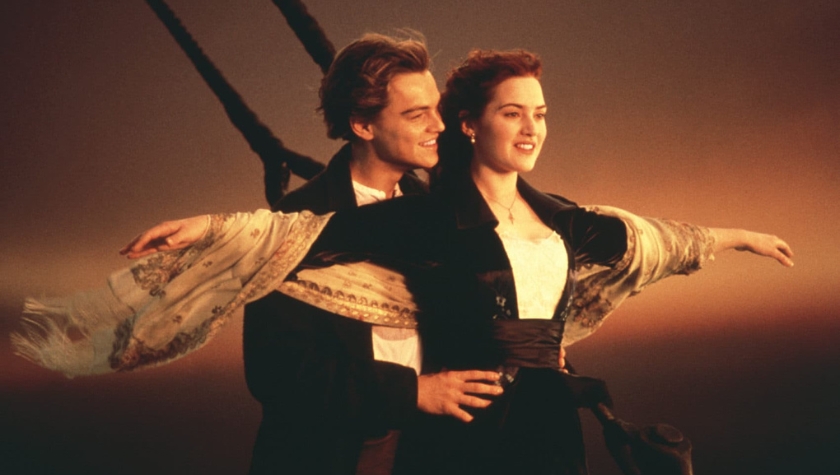
- Titanic
- Forrest Gump
- Dunkirk
All of these movies were great historical epics. All of them also told their stories using fictional characters and stories.
When you use fictional characters, you have the ability to tell whatever story you would like without having to worry about fact versus fiction.

6. Condense, Combine, Compress, Cut
Don't fear what people may think about inaccuracies or omissions in your historical screenplays. These types of screenplays aren't required to cover every historical detail. To tell a compelling story, sometimes you need to combine minor characters, compress timelines, cut side events that don't directly affect the narrative you've chosen, etc. As long as those decisions preserve the emotional core of the historical story you're telling, audiences won't object. And sometimes you need to focus less on history, and more on the iconic figure and what they represented and stood for.
Braveheart is a perfect example. The film is far from historically accurate. In fact, most of it is fiction. However, the film captures what William Wallace and his people went through during that time period. The story was about rising up against tyranny.
7. Smaller Cast of Characters
History has a lot of participants. Yes, you need to condense, combine, compress, and even cut some real-life characters out of the story to make the script more digestible. But it's even more important to focus on the smallest cast of characters possible to tell your story.
If you've introduced twenty major characters in a history-based script, that's about fifteen too many. Even twenty supporting characters will get lost in the mix because it's difficult for a reader to keep up with all of the names.
It's perhaps the most common issue with some historical stories newcomers try to tell - fitting in every major and secondary figure involved. It all-too-often becomes a list of cameos for some stories, with screenwriters trying to fit every important name into the script.
Once again, it's always about the story and characters first. The history and the context of the story you're trying to tell will come. Focus on a smaller cast of characters and script readers will appreciate you for that.
8. Research Everything You Can, Then Share It Only When Needed
Screenwriters do need to do the research. Read every biography, watch every documentary, study photographs, learn the customs, understand the politics, and research the clothing/architecture/transportation/language/technology. It's great to immerse yourself in the time period, places, and people you're portraying in your script. The trick is to then resist the temptation to show script readers and the audience everything you've learned.
Consider your research as the foundation of your house that is the screenplay. It's essential and supports everything. But you rarely see it. Instead, you see the house (the screenplay).
Research all too often turns into factual listicles in screenplays. Avoid that. We don't always need to know the exact type of weapon being fired. We just need to know something threatening is raining down on the characters we're following.
9. Capture the Themes and Spirit of the Historical Story Instead of Retelling It
When it comes to most historical stories, the stories themselves have been told many times and in just as many different ways. What is most compelling is capturing the spirit of the story you're trying to tell, while embracing the themes you attach to that story. Those are the memorable parts that an audience will walk out of the theater with.
Facts can be boring. What makes them interesting is the role they play in history. What themes does your historical story represent most?
- Patriotism?
- Fight against tyranny?
- Rise to stardom?
- Fall from stardom?
- Equality?
- Justice?
- Tragedy?
Themes are the spirit of any story. If you want to truly touch someone, you don't bombard them with historical facts. Instead, you humanize the story. You give the audience a way to relate to the characters.
It's easy to go from your research notes and then retell the historical story from Point A to Point Z, covering all of the major facts and historical people involved. But if you don't put full focus on the themes and spirit of the story and the characters you choose to use as conduits to that story, you're doing nothing more than reading the history from a textbook. Audiences can stay at home and do that.
In theaters, and while dedicating time at home to stream, audiences want to be moved. They want to feel like they are there. They want to feel what it was like to be in that time period. They want to feel the highs and lows. They want to learn things, sure. But they want to learn in a way where they feel like they've been through the struggles and triumphs.
Give them that experience, and you'll have written a history-based script that truly captivates an audience and stands the test of time.