
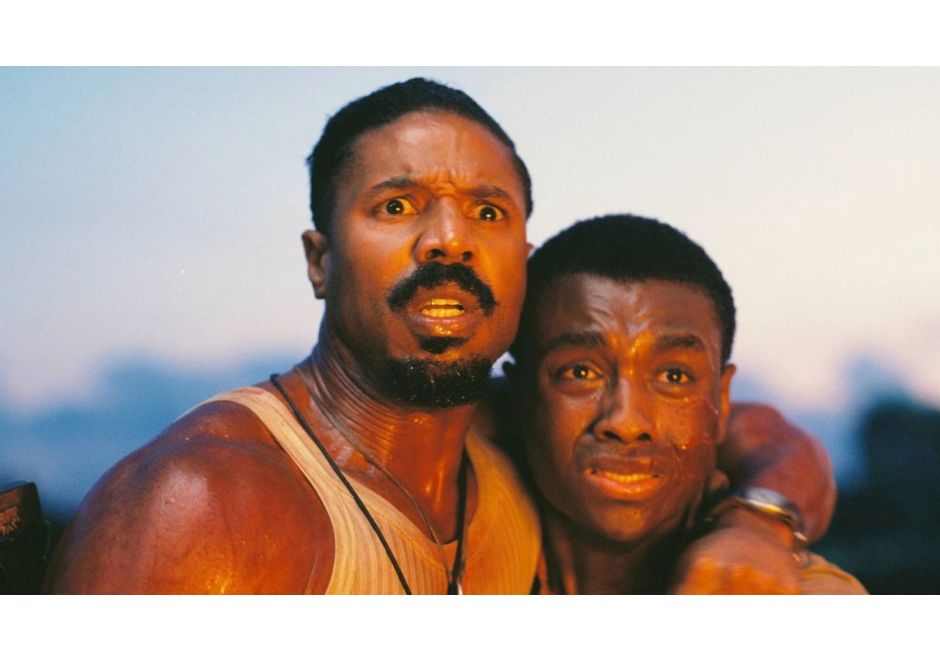
Horror is a very unique genre in the eyes of Hollywood. Unlike other potential Hollywood projects, horror scripts/movies don't need to be packaged with movie stars, big budgets, elaborate special effects, or recognizable intellectual property.
All that most horror movies need is a compelling concept, an unsettling atmosphere, a handful of characters, and something terrifying waiting for them in the shadows. Look no further than recent horror hits like Backrooms and Obsession as perfect examples.
That is what makes horror a compelling genre for screenwriters. When you are trying to break into the industry as a screenwriter, one of the biggest challenges is writing a screenplay that industry insiders can actually envision producing. You may have written a great epic war movie or sci-fi space opera, but with production budgets for projects like that starting at $150 million (and often going well beyond that), it's very difficult to actually sell such a script.
The horror genre offers something different for screenwriters. You can write something cinematic, marketable, and potentially profitable without requiring a studio to spend a fortune producing it.
With that in mind, let's explore five reasons why you should consider writing a horror script.
1. Horror Movies Are Cheap to Produce
Sure, horror flicks like Sinners cost up to $90 million and beyond to produce, but most horror stories are relatively cheap to make. The genre doesn't require big names, big budgets, and big productions to make a terrifying horror movie.
Some of the most effective horror movies have contained concepts that don't require much of a production budget at all.
- A family moves into a haunted house.
- A group of friends are trapped in a contained setting with a killer.
- A monster or killer terrorizing a town.
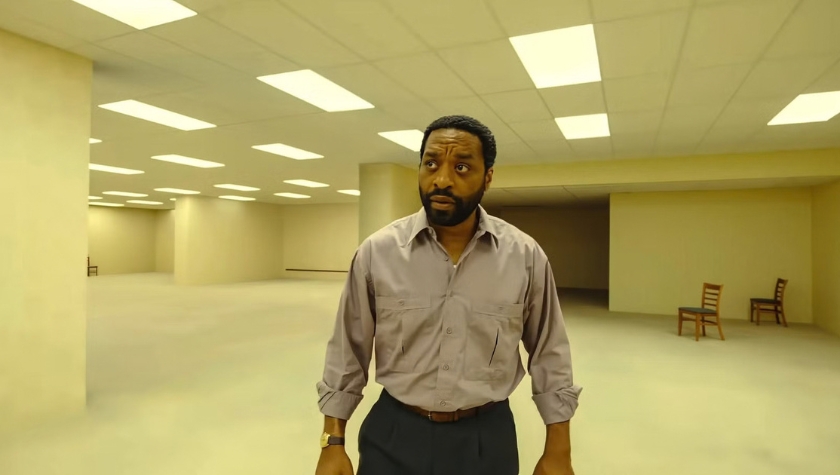
The recent horror hit Backrooms was produced for just $10 million, a very low budget by today's standards. While the movie did have a name star in Chiwetel Ejiofor, the production needs were very low, with minimalist sets.
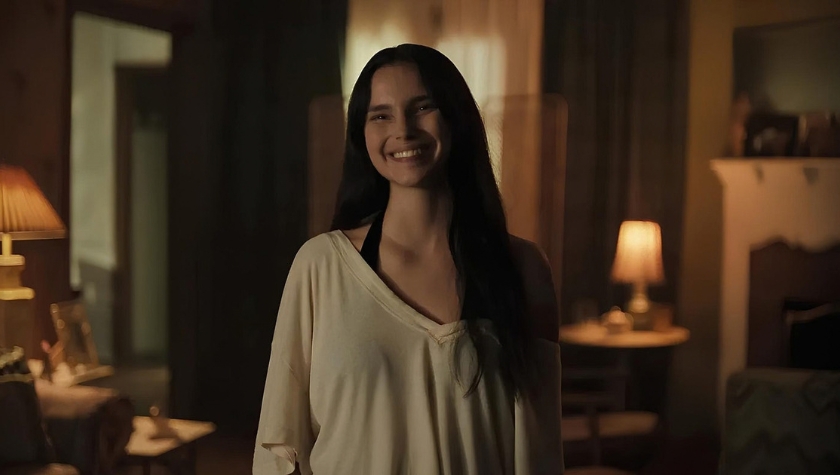
The even bigger hit, Obsession, was made for the micro-budget of just $750,000. The film starred relatively unknown actors at the time of filming, and the production needs were minimal with just a few locations.
You can even go back to the slasher flick days of the 1970s and 1980s to find the first installments of some of horror's most iconic and profitable franchises - Halloween, Friday the 13th, and A Nightmare on Elm Street - being made on very low independent-sized budgets.
Studios and distributors love horror movies because there's less risk and more reward in the long run, which is why it would be so beneficial for screenwriters to have one or two horror scripts in their back pockets.
2. The Profit Potential is High in the Eyes of Hollywood
Backrooms was made for just $10 million and went on to gross $394 million worldwide. Obsession was made for a fraction of that at $750,000 and became an even more massive box office hit, taking in $513 million worldwide.
Low risk, more reward.
Hollywood is a business. Screenwriters can (rightfully) become so focused on story, characters, themes, and craft that they forget the screenplay is ultimately blueprint for a product that somebody needs to finance, produce, market, and distribute. And they need to turn a profit.
When production costs can be kept low while audience interest in horror remains high, the potential profit margin becomes extremely attractive to Hollywood.
Imagine two screenplays that require two different types of budgets. One is going to cost $100 million to produce because of the need to attach a big star or two to fill seats, major sets to build, high special effects budget to make the world come to life, etc.
The other is only going to cost $10 million to produce, with no need for huge stars to bring audiences into the theaters, and no need for elaborate sets to be built or major special-effects sequences to pull off.
Before marketing and distribution expenses are figured in, the $100 million movie needs to generate substantially more revenue to justify its production budget alone, let alone earn major profits. The $10 million production has a much lower financial threshold to overcome. It could "only" make $25 million and still turn a worthwhile profit, whereas a $25 million take for a $100 million movie would be disastrous.
Not every inexpensive horror movie is destined to become a behemoth like Backrooms and Obsession, but there's just so much less risk in the horror genre compared to every other genre out there.
3. Audiences LOVE Being Scared
Hollywood loves what the audience loves. And audiences love to be scared. While action adventure movies present audiences with thrilling rollercoaster rides and science fiction epics provide the same but accompanied by wondrous eye candy, it costs money to make those thrills come to life. It doesn't cost that much to scare an audience.
Yes, there's something very strange about horror audiences. They will pay good money to be frightened. They will sit in dark theaters knowing that something is going to jump out of the shadows and send chills down their spines. They know terrible things are going to happen. They know the soundtrack will go quiet just before something terrifying happens. They even know that the screenwriters and filmmakers will play with those expectations to shock them even more.
And they love it.
Comedy can make audiences laugh. Drama can make them cry. Action, adventure, fantasy, and sci-fi can give them some thrills and eye-candy. But horror creates even more enhanced reactions. People will scream in horror, cover their eyes in fear, jump in their seats in shock, grab the person next to them for protection, and then laugh after each scare because they cannot believe the movie got them like that.
The experience is communal as well. It's even more of an enhanced experience when you're in a theater with other people going through the same experience. That is what makes the horror genre such an enduring theatrical experience, and that is why audiences often show up in droves.
There are also so many different ways to give audiences this scary experience. There are so many different types of horror movies. Some are supernatural while others are psychological. You have slasher flicks, creature features, body horror, survival horror, and even horror-comedy blends.
All of them have the common denominator of experiencing fear within the safety of a movie. Nobody wants to experience horror and cheat death in real life. The horror genre gives audiences the satisfaction of that physical rush without them having to put themselves in danger.
And because audiences love being scared and will take risks with new and unknown concepts, Hollywood loves to find the latest horror treats for them, which can help launch screenwriting careers for those with some great horror scripts.
4. Horror Is Fun to Write and Can Be Simpler to Execute
Writing a great horror story still requires strong characterization, great structure, excellent pacing, compelling conflict, good usage of dialogue, atmospheric storytelling, and relatable themes. You can't just throw a masked killer into a setting, add a few jump scares, and assume the script will sell and the movie will be a surefire hit.
However, writing horror scripts does give you an enormous advantage over other genres because the horror genre naturally generates instant compelling conflict. And conflict is everything in a great screenplay and movie.
Once you establish the threat in a horror script, your characters have something immediate to deal with when it comes to external conflict. They must:
- Survive the night
- Escape the house
- Defeat the monster
- Discover what is haunting them
- Figure out who the killer is
- Stop the curse
Those types of objectives create immediate story and character momentum.
Horror can establish its dramatic engine even faster than other genres because danger naturally forces characters into action. But what is most fun about writing horror is that because the genre is so popular, you can play with audience expectations. You can manipulate them in so many ways to better their cinematic experience.
The audience knows there's someone or something lurking in a horror story. They know there's a jump scare coming. They know creepy stuff is going to happen. But it's you, the screenwriter, who decides how long the audience has to wait before you throw some scares their way.
Horror is a great playground and sandbox to work within. You can more easily use the audience's embedded expectations to string them along, lead them down false paths, and trap them in situations they were not expecting.
The tools in the horror genre are plenty. You can:
- Build anticipation
- Create false scares
- Misdirect the audience
- Reveal clues
- Conceal information
That's what is so fun about writing horror movies. The horror genre itself is built on familiar conventions that have been used for decades. It doesn't matter if you're working in charted territory already, as far as writing a haunted house flick, vampire story, zombie invasion, slasher flick, monster flick, etc. It is how you deliver on those conventions that separate your horror script from those that came before it.
Horror also lets you write in a more visual style. Instead of having to rely on characters to explain everything through dialogue, you can tell the story through shadows, sounds, movement, empty spaces, strange objects, unsettling images, and things the audience sees that characters do not (dramatic irony).
Hollywood loves cinematic writing. Writing horror is an excellent way to build, train, and flex those cinematic storytelling muscles.
5. Horror Is a Trend That Never Goes Away
Sometimes genres come and go, as far as them being successful at the box office and, in turn, desired by Hollywood. We've seen instances where difficult genres to sell, like westerns and fantasies, have a couple of years of success, only to fade away back into development hell oblivion. Young adult novels like the Harry Potter franchise made way for many successful young adult adaptations like The Hunger Games, Twilight, and The Chronicles of Narnia. But then that genre began to underperform at the box office.
Horror is never a trend. It performs well at the box office every year. Sure, there are certainly sub-genre trends that go cold. Who would have thought that a vampire movie would go on to huge box office success and multiple Oscar nominations and wins (Sinners)? But if screenwriters are constantly exploring different ways to evolve horror sub-genres, the "trend" never fades.
It's all about delivery. If you can find unique and original concepts like Backrooms and Obsession, great. But you can also use the conventions, concepts, and worlds the audience is used to in the horror genre and bring something fresh and new to them so they can be rebooted, renewed, and reinvented.
This adaptability is the horror genre's greatest strength. Fear is universal. You can explore many different facets of fear when you're writing in the horror genre. You can reinvent familiar horror concepts through new characters, environments, technologies, social anxieties, and cultural fears.
There is no magical guarantee that writing horror scripts will launch your screenwriting career. Horror simply offers some practical advantages that other genres do not always provide.
Start Delving Into Horror
Having a well-conceived, well-developed, and well-written horror script can be a gem in your stack of spec scripts. Have fun with it. Explore what scares you. Research unique but relatable phobias. Find a way to reinvent a horror subgenre. If you write a great horror script, you'll find yourself tapping into one of the most profitable genres of all time, and that's not so scary.