There are some show creators who know how to put lightning in a bottle. Some of the best show creators have a voice and a vision that is undeniable. Their names go beyond the credits and become known to their audience because they deliver high-quality, engaging shows that people must watch. But before we take a look at some of the best modern show creators working today, let's first examine what exactly the difference is between a showrunner and a show creator.
What’s the Difference Between a Showrunner and a Show Creator?
Although similar, there are some distinct differences between a showrunner and a show creator.
Showrunners manage the creative output of the show, which includes running the writer’s room. There may be several showrunners on a show, and they can change from season to season.
Show creators are the ones who created the original show. They often serve as an executive producer and, even if they leave the show, they will still have the “created by” credit. An example is Aaron Sorkin, who created The West Wing and was a showrunner for its first 4 seasons. He left after that, so he was no longer the showrunner. However, he created the show and has held that show creator credit for all 7 seasons.
Now, let's dive in!
Vince Gilligan
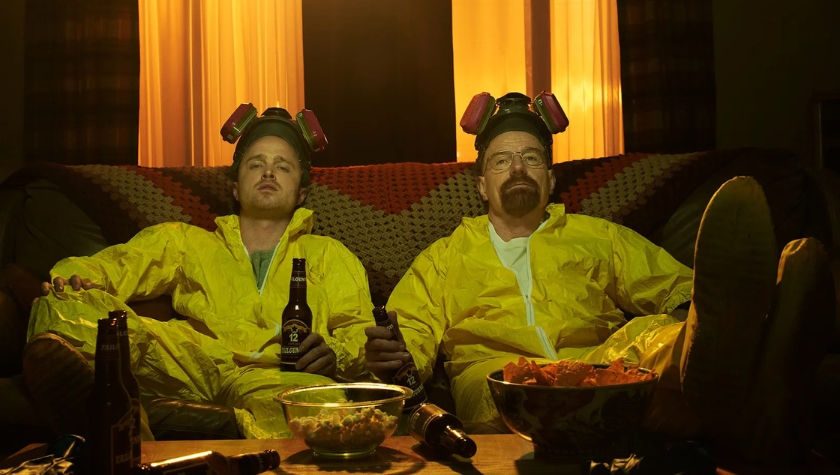
In the 1990s, Vince Gilligan made a name for himself as a writer on the TV series The X-Files. Following a pair of FBI agents who investigate the inexplicable, he shone as a writer with a unique voice and as a creative storyteller. Then, in 2008, he changed television forever with Breaking Bad. TV audiences had seen antiheroes before with characters like Tony Soprano (James Gandolfini), but Walter White (Bryan Cranston) was different.
"Breaking Bad is about a guy having the world's worst midlife crisis - a guy who's never littered or jaywalked, never broken the law in any serious way, suddenly finding himself doing something reprehensible and illegal,” Gilligan shared in a Television Academy interview.
It was the arc of all character arcs, and it spawned a universe of compelling characters who fascinated audiences. The viewer knew White was becoming a bad guy, but he was still the show’s hero. Plus, no matter how bad he became, his enemies always seemed to be worse.
“Walter White was always meant to be a cautionary tale; he's not aspirational,” Gilligan said in a Total Film interview. And yet, Gilligan could make this person admirable and human, no matter how vicious he became. Gilligan followed the success of Breaking Bad with Better Call Saul and Pluribus, both of which, like Breaking Bad, also became critically acclaimed and highly awarded series.
Eric Kripke
Eric Kripke has made a career of making high-concept ideas extremely relatable, blending genres and using emotionally grounded characters. He started his career with Supernatural, which followed two brothers as they fought evil beings, including gods, monsters, demons, and other supernatural entities. While the concept is fresh and fun, it ran 327 episodes because the audience cared about the characters.
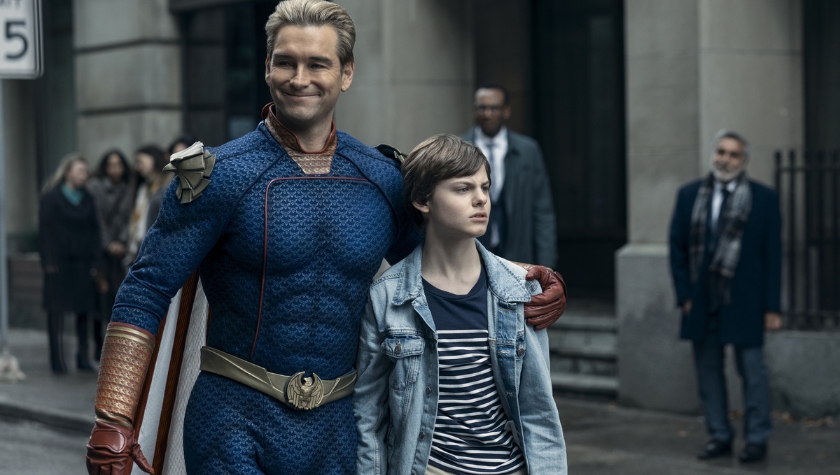
His next big series was The Boys, a spin on the superhero genre that follows a group of vigilantes who aim to bring down the corrupt superheroes abusing their power. Kripke reinvented a familiar genre by focusing on flawed, human characters (and superheroes) with some political commentary.
“We didn’t necessarily plan on it, but for [the show] to reflect the world in the period that we’re living in so specifically — this intersection of authoritarianism and celebrity and social media and fascism and just this swirl that we were able to hit at just the right time,” Kripke said in a Deadline interview.
Kripke’s unique voice comes from balancing cynicism with empathy. His stories are both dark and violent, and deeply invested in human vulnerability. This makes his shows both entertaining and emotionally resonant.
Amy Sherman-Palladino
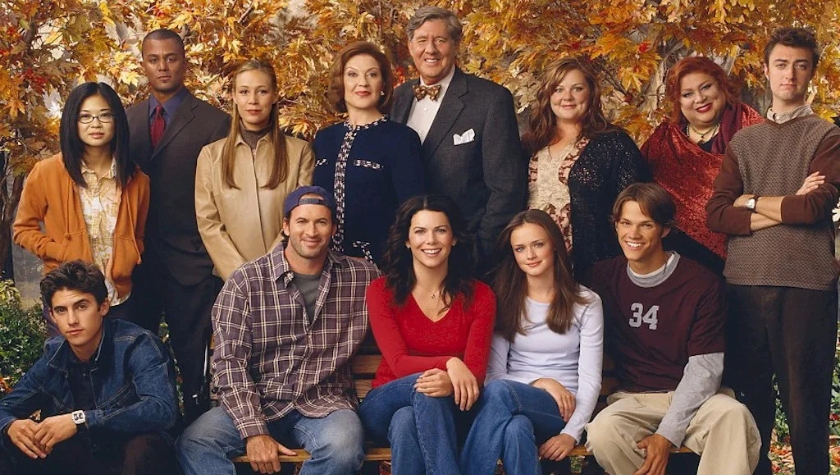
Quick, witty dialogue is just one of Amy Sherman-Palladino’s signature styles; another is her ability to place the audience in situations that feel like home but far from familiar. Not too many people were housewives in the 1950s who decided to be stand-up comedians. Nor were they small-town folks with super-rich family members navigating their way through a quirky cast of characters.
Whether it was Gilmore Girls or The Marvelous Mrs. Maisel, Sherman-Palladino created something magical that engrossed audiences and had them laughing, crying, and emotionally invested in every character’s life. Sherman-Palladino mastered the art of putting yourself out there – and by that, I mean it felt like most of her characters had no filter.
From Roseanne in the 1990s through her Emmy-winning The Marvelous Mrs. Maisel, Sherman-Palladino has always brought the world characters who have one thing in common: they’re truth tellers.
Mike White
Mike White has impacted millennial culture more than most would realize. His career took off with his writing on shows like Dawson’s Creek and Freaks and Geeks, and his screenwriting film credits include Orange County, School of Rock, The Emoji Movie, and Despicable Me 4.
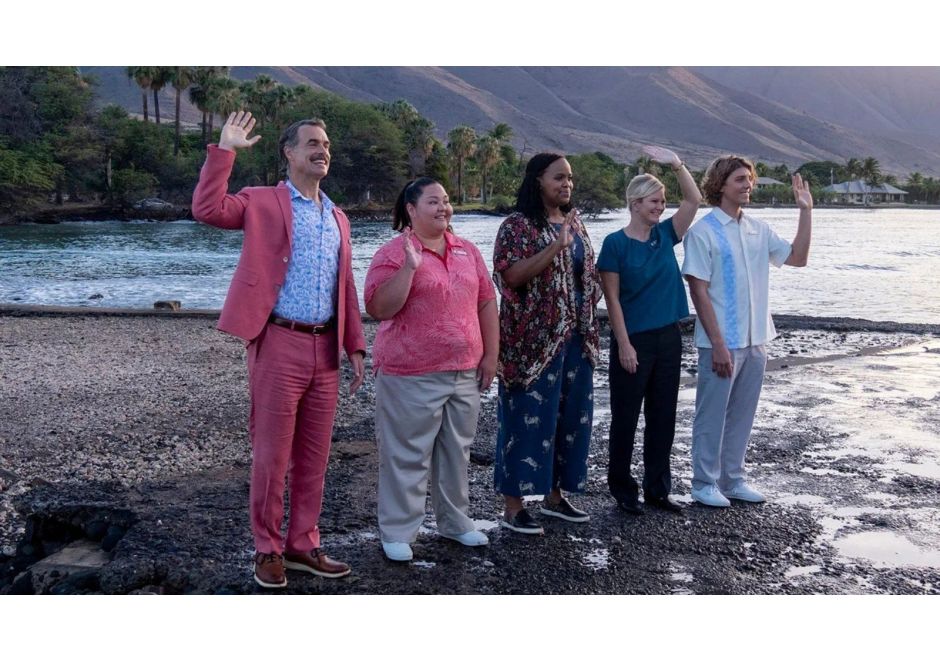
His comedy was always off-beat, focusing on the type of characters who struggled: wannabe rock star turned teacher, freaks, geeks, and an emoji who wants more. But as a show creator, he built the ultimate magnifying glass, looking in on wealthy individuals with lots of problems who stay at a hotel in an exotic location, and on the employees who must deal with them.
The White Lotus is a masterclass in social critique, mystery, and in letting your characters do outlandish things the viewer wishes they could. For multiple seasons, White has created a new version of The White Lotus with (mostly) new characters, but all fodder for conversation around the digital watercooler. Whether the viewer wants to watch rich people behaving badly, escaping to a luxurious destination, or observe brilliant actors performing at their peak, White gives them what they want. And for the writer, he shows what it means for every character to think they are the hero of their own story.

Marta Kauffman
Marta Kauffman has created not one but two shows that transcend demographics, and they’re both centered around a common theme: friendship.
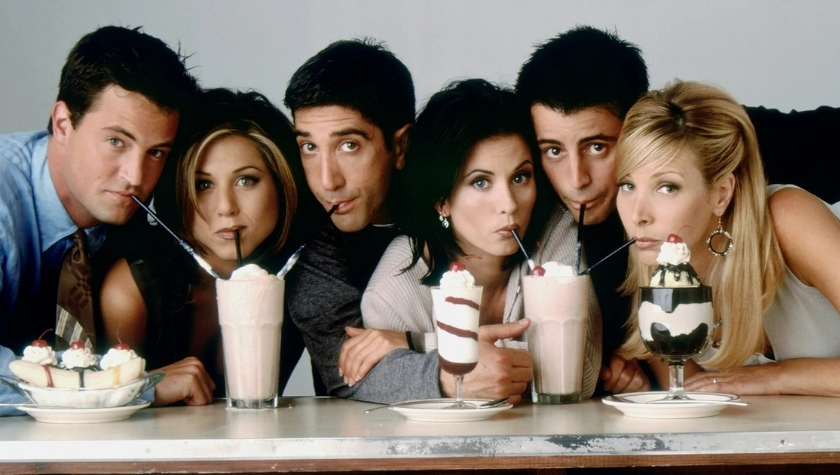
The ultimate group of friends is in her mega-hit Friends, about 6 people living in New York who are always there for one another. Somehow she brought together a cast of mostly unknowns who were perfect for their respective roles and turned them into massive stars. Friends, which ran for 10 seasons, never seemed to get old and ended at the height of the show’s power, making it the perfect moment to say goodbye. The storytelling was fun, the jokes were sharp, and the characters always evolved.
Then she created Grace & Frankie, about two women who learn their husbands weren’t just work partners but lovers, and who want to advance their relationship. This forces Grace (Jane Fonda) and Frankie (Lily Tomlin) to navigate a chaotic post-divorce life together, whether they want to or not.
Both Friends and Grace & Frankie shared similar missions: being there for your friends and starting over. These themes are relatable, and Kauffman weaves them into brilliant narratives.
The greatest modern show creators do more than entertain; they build worlds, shape culture, create unforgettable characters, and start conversations. The best show creators look beyond the concept and focus on specific characters and stories that reflect humanity in all its complexity, something screenwriters should keep in mind when crafting their next TV pilot script.