
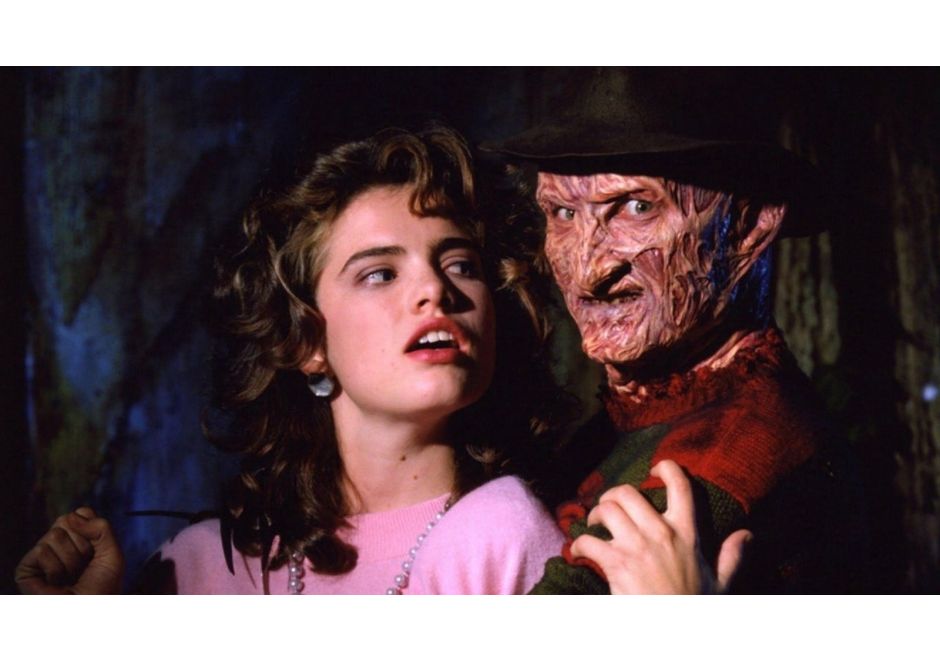
What's your favorite scary movie? No, this isn't the start of a blog about Scream, but rather a deeper look into the subgenres of horror.
Rarely is there a movie that falls right into the genre of strictly horror. Instead, they'll be part of a subgenre of horror. Maybe the better question is: What's your favorite type of scary movie?
From terrifying creatures (Alien) and gruesome body transformations (Clayface) to supernatural forces (Weapons) or that reliable killer slashing their victims (Halloween), horror has many genres. Some movies even blend multiple subgenres, such as comedy-zombie-horror (Shaun of the Dead), which lets screenwriters make their horror story familiar without sacrificing uniqueness.
Here are the top five types of horror genres you should know.
1. Monster Horror
What makes Frankenstein's monster, the xenomorph from Alien, and the shark from Jaws so frightening? It's that the audience doesn't know what it's capable of doing. Most of the time, these monsters are bigger and stronger than the humans they prey on, so the odds of survival seem low from the very beginning.
Consider Godzilla. Depending on which film, it might be considered more science-fiction action, but the original as well as the more recent Godzilla Minus One play as a monster horror movie. From the start, a creature of unexplained origin starts wreaking havoc. Throughout the film, it destroys cities, shoots atomic energy from its mouth, and is seemingly unstoppable. A good monster in a horror movie isn't always about size and strength though, but its unpredictability; the monsters in Gremlins are small, but terrifying.
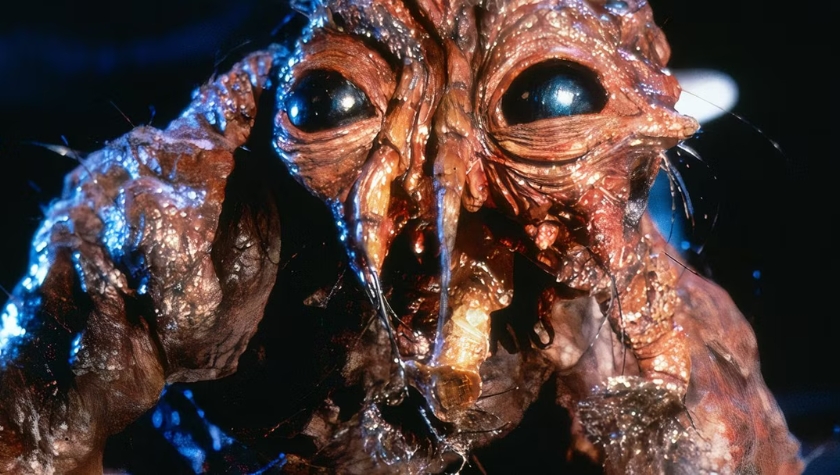
Revealing information about the monster too soon can take away some of the fear. One of the things that makes the shark in Jaws so frightening is that it attacks beneath the surface, and the audience doesn't learn much about it until later in the film.
2. Body Horror
Although not a new genre, it really took off recently due the success and critical acclaim of The Substance, which earned Academy Award nominations for Best Picture, Best Actress, Best Original Screenplay and Best Directing.
What is body horror? It's horror centered around the human body, involving physical transformations (The Substance), mutations (The Toxic Avenger), infections (28 Days Later), or other disturbing changes (The Fly). The fear comes from seeing the human body, which we're all familiar with, transform into something unfamiliar and often uncontrollable.
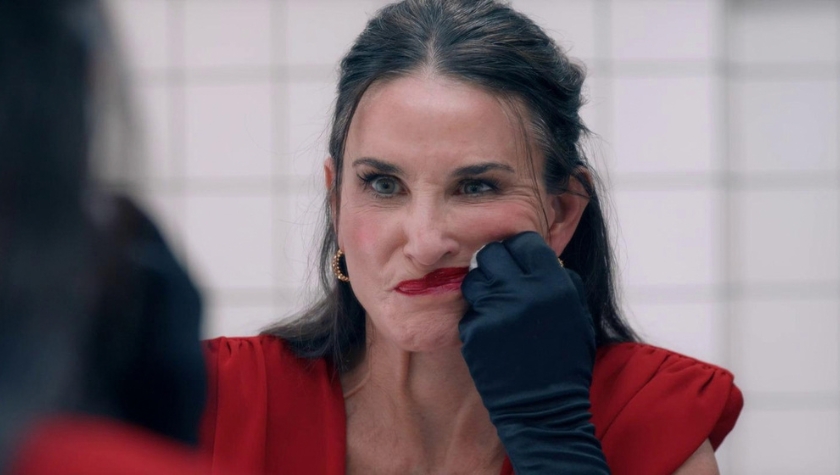
Clayface is a recent example of mainstream body horror. The DC Comics villain undergoes an experiment that gives him the ability to change his face like modeling clay. David Cronenberg was famous for creating body horror movies that are considered cult classics like The Fly, Videodrome and The Brood. Generally, body horror involves the protagonist's own body becoming the source of horror, with whatever is happening to them; they are desperately trying to reverse.
3. Supernatural Horror
This is perhaps the most popular subgenre of horror. In the last few years alone, the movies that can fall into this category include: Sinners, Weapons, The Black Phone, Insidious, The Conjuring. Going further back, classic films like The Exorcist, The Sixth Sense, Poltergeist, and The Shining also combine supernatural elements with thriller and horror conventions.
The horror comes from something that can't be explained by the rules of the human world. Ghost stories, demons, possessions, curses and other unexplained forces are frightening because the audience (and the characters) can't easily explain what the hell is going on. There are often rules that an expert must explain -- think the priest in the Exorcist, Van Helsing in Dracula or paranormal investigators in The Conjuring -- and the audience, along with the protagonists learn the information at the same time.
Supernatural horror asks a lot of questions:
- What does the supernatural force want?
- Why is it targeting the protagonist?
- Is there a way to stop it?
- What happens if the protagonist and those around them get it wrong?
For those writing supernatural horror, an effective way to start the story is by introducing whatever the supernatural entity is into an ordinary situation. For example, in Poltergeist, strange, unexplainable things start happening to a family that moved into a suburban neighborhood. In Insidious, a demon haunts a family that moves into a new house, and the son slips into a coma brought on by the supernatural force.
4. Horror Comedy
Horror and comedy are both designed to get a strong reaction from the audience. One makes you scared, and the other makes you laugh. For horror comedies, the goal is to weave both together in a way that they complement each other and do not get in the way of one another.
A few great examples of horror comedy are Army of Darkness, Shaun of the Dead and Zombieland. All three use horror tropes but approach them with humor. In Shaun of the Dead, Shaun (Simon Pegg) and Ed (Nick Frost) are both living dead-end lives until a zombie apocalypse breaks out. While there is blood, death and zombies galore, the two unconventional heroes act in comedic ways without sacrificing the reality of their situation.
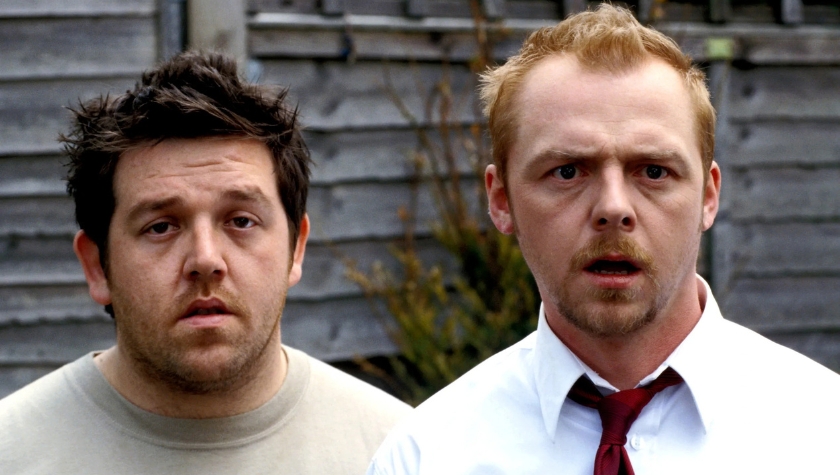
It's important for screenwriters to find the right balance so that scare moments don't become jokes, and the audience views it as strictly a comedy. On the other hand, taking the horror too seriously hurts any humor. It's finding the right split that helps make a horror comedy successful. The goal is knowing when the audience should laugh and when they should be scared.
Is Scream a horror comedy? Some say yes and others say no -- I say no and believe it's a slasher movie with comedic moments, but the opinions for both are valid. Comedy in horror, without it being a horror/comedy can help give the audience a breather before setting up the next scary moment.
5. Slashers
Slasher films mostly found their audiences with teenagers and young adults starting in the 1970s. Slashers are synonymous with horror, with their often-masked killer stalking a group of characters, picking them off one by one.
The biggest challenge in writing a slasher movie, though, is making a memorable killer, especially when most have a creepy mask, distinctive weapon, and possibly unusual killing methods. This is where the screenwriter must get creative about who the slasher is and their motivation -- for Nightmare on Elm Street, there's a specific reason Freddy is who he is, and his razor-sharp blades as fingers and means of killing his victims make him memorable.
The victims are also an important part of it. When the audience doesn't care about the characters, the kills can become repetitive. That's not to say every character who doesn't make it to the sequel needs a lengthy backstory, but they do need a distinct personality. Casey (Drew Barrymore) in Scream has zero background, but her isolation and how she handles the killer caller make her relatable.
Horror has many subgenres for screenwriters to explore. Audiences who watch horror have seen countless versions of monster, supernatural, and slasher stories, so the key to writing it well is understanding the subgenre conventions and then creating a unique story from them.