
For many writers, getting a book published can feel like a mystery. The good news: publishing has a roadmap. It may be a long road, but it's a knowable one, with steps you can learn and take in order.
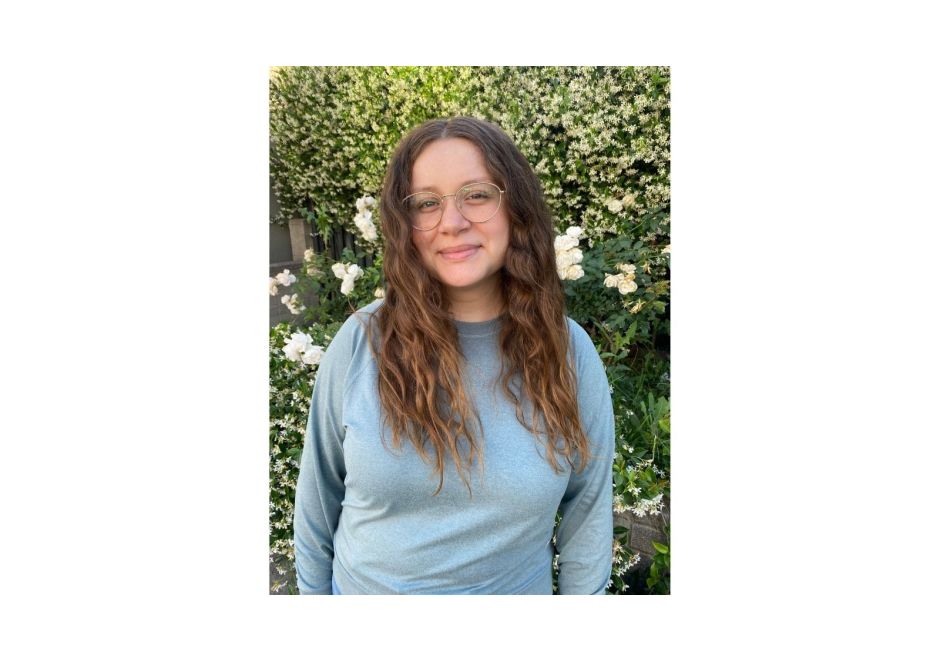
Author and screenwriter Natalie Messier, winner of the Final Draft Big Break TV Grand Prize in 2022, generously shares a step-by-step guide to that process.
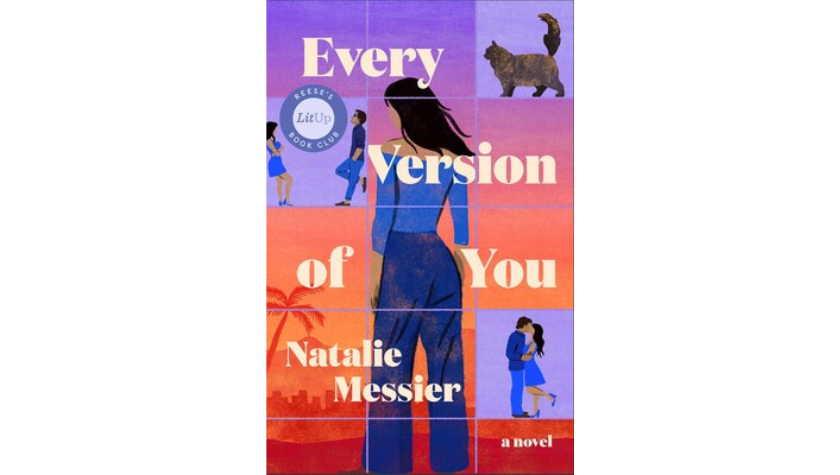
Messier's debut novel, Every Version of You, a modern romance from Gallery Books, an imprint of Simon & Schuster, follows Joey Vasquez, a 32-year-old lawyer whose life looks perfect on paper until she unexpectedly dies after a dinner party. Fortunately, she's given a second chance at life and finds herself eighteen again, reliving the year she first met both the man she thought she loved and the man she thought she hated. It's a high-concept romance built on second chances, but Messier's own publishing story is just as compelling for aspiring writers. And it all started with a rough draft she almost forgot about.
Step One: Write Your Novel
"I wrote my novel in 2022. It'll be four years from writing it to publication," she says. Unlike many debut authors who spend years polishing a manuscript before anyone sees it, Messier wrote the first draft in about three to five months, then shelved it for a year and a half. At the time, her focus was still largely on TV. As the winner of Final Draft's Big Break TV competition, she was pursuing opportunities on the screenwriting side. "I didn't think about the book. Honestly, I didn't think it was very good."
That changed when she read about the Reese's Book Club LitUp Fellowship, a mentorship program for diverse women novelists. One detail in the application stood out: Applicants needed a completed draft, but it didn't have to be polished. For Messier, that was the opening she needed.
"I was like, well, that's perfect because I have a full draft and it's very much not polished." To her surprise, she was accepted into the fellowship. Then she got busy.
Step Two: Make Sure Your Novel is the Right Length for the Genre
At the time, the manuscript was around 120,000 words, far above the typical sweet spot for romance, which tends to be closer to 90,000. But the fellowship gave her something every novelist needs: Structured feedback.
Over three months, working with her mentor, Reese's Book Club author Cesca Major, Messier cut nearly 30,000 words, reshaped plotlines, and strengthened the story. By the end, the manuscript was down to 92,000 words and ready to enter the query stage.
Step Three: Ask Trusted Friends or Colleagues for Feedback on Your Novel
Messier recommends revising the novel at least once, if not twice, before querying. If you can find a mentor, great. If not, she says, "My biggest advice is to find critique partners who you trust. Get feedback from them. Revise," Messier says. Then comes the research.
Step Four: Seek Out Agents Who Represent Writers in Your Genre
Messier built her own target list by literally pulling her favorite romance novels off her shelf.
"I looked at all the acknowledgments pages and wrote down their agents," she says. It's an old-school but effective strategy.
Step Five: Query Your Novel
If you're not familiar, a book query is a short pitch letter that writers send to literary agents to try to get representation. It usually includes a brief summary of the story, a little about the author, and enough intrigue to convince the agent to request the manuscript.
For unpublished novelists, querying is the first major hurdle. Unlike screenwriting, where access to agents can feel impossible without referrals, literary agents are actively open to submissions. But the writers have to do the legwork.
Messier explains that a query letter is essentially a sales pitch. "It's basically like the back copy of a book," she says.
In practical terms, that means three concise paragraphs summarizing the novel, plus a short bio and a brief explanation of why you're querying that specific agent. The goal isn't to summarize every plot point; it's to hook them. "It should be less than a page," Messier says.
That query letter remains mostly the same from agent to agent. What changes is the supporting material. Some agents want one chapter. Others ask for ten pages, twenty pages, or a larger sample. That's part of what makes the process so time-consuming.
Messier initially queried about twenty agents on her own, while the LitUp Fellowship helped circulate her manuscript to a wider network. Ultimately, she signed with literary agent Holly Root, who happened to be her dream agent.
But Messier says writers without a fellowship can absolutely do the same work themselves.
Step Six: Keep a Spreadsheet
Messier built a detailed spreadsheet of queries. She also recommends using two key resources: Manuscript Wishlist, where agents publicly share the types of projects they're seeking, and QueryTracker, which helps writers organize submissions and track response times. Messier used both.
Step Seven: Keep an Open Mind During the Process
One surprise in Messier's own journey was discovering that agents and editors interpreted her book differently than she did. She saw Every Version of You as a contemporary romance novel, but some of the interest came from more literary-leaning agents. "It made me reevaluate what my book was," she says.
After signing with Root Literary in the fall of 2024, Messier did another light round of revisions before the manuscript went "on submission" (the industry term for when an agent sends the book out to editors at publishing houses). At that stage, the writer's role shifts. "My agent handled everything. She had a list of editors and I really just trusted her."
That trust paid off quickly. The book went out in November 2024, and Messier had an offer by the following Monday. By December, not only had she sold the book, she had also landed a two-book deal.
Step Eight: Don't Give Up!
Now deep in developmental edits on her stand-alone book two, Messier says the biggest lesson from the process is perseverance. Some writers query a hundred agents before getting any traction. Some get rejected over and over until the right person suddenly reads them. That's the difference, she says, between publishing and Hollywood.
"In screenwriting, a good screenplay alone can't get you a movie deal. It really is about who you know," Messier says, discussing the somewhat mystifying path to seeking screenwriting representation. "Publishing is not like that. If you write a great book, you can sell a book."
It may take dozens, possibly hundreds of emails. But for writers sitting on a manuscript and wondering where to start, Messier sums it up this way: "Write your book. Edit your book. Believe in your book. And query every agent who you think might like your book."
Thanks for the great advice, Natalie! You can order her book, Every Version of You, on Amazon.