

One of the first narrative films is famously the 1903 silent film production, The Great Train Robbery. For over 125 years, audiences have loved a good heist story. Apple TV’s 12 12 12 offers a new twist on the heist genre. Spread across 8 episodes, the show follows a group of bank robbers and the FBI agent who wants to bring them down.
The twist? As FBI Agent Jack Strickland (Anthony Mackie) states at the beginning of the episodes:
A high asset robbery, professionally conceived, is 12 months in planning, 12 hours in execution. A bank robber who’s not caught within 12 days is not caught at all.
12 12 12 is told across three timelines, each counting down to the last month, hour, and day. Will the criminals be caught? Or will they get away with it?
Maybe that’s why we love watching a group of criminals try to pull off a heist. It’s the impossibility of their mission and all the planning, elaborate schemes, or specialized skills that go into making it successful, or not. A heist story is like a mystery that audiences get to help solve. They watch as information is revealed, complications arise, and they become invested because they wonder how they will pull it off.
Here are some screenwriting lessons for your next heist story.
The People Behind the Heist
What made Ocean’s 11, The Town, Out of Sight, Bad Santa and Money Heist classics that people keep watching? It’s not the heist. It’s the people, and their collection of personalities, including motivations, skills, and agendas, that make audiences want to join them on the journey.
12 12 12 quickly introduces the criminals, their associates, and FBI agents trying to stop the heist. Even while some of the characters feel typical — the criminal who wants to leave his past behind and build an honest life, and the burnt-out FBI agent obsessed with catching the one that got away — their backstories are slowly revealed, adding dimension to the usual players involved in the heist genre.
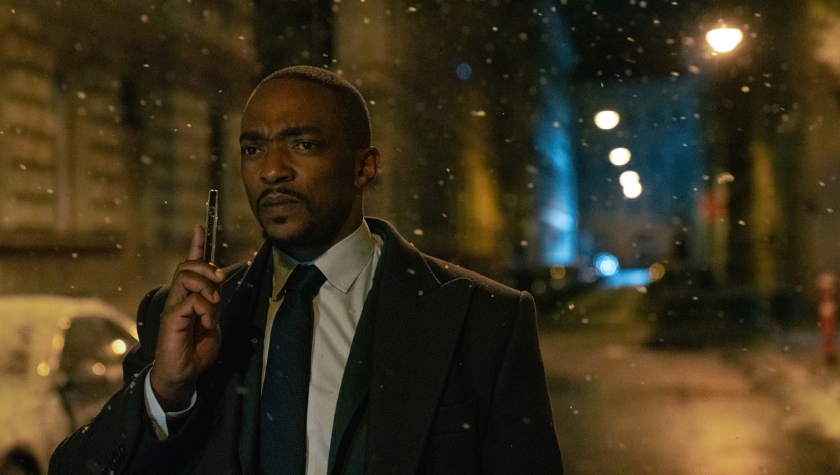
“The contrast between the two protagonists is central to the story,” 12 12 12 creator Dudi Appleton said in an interview with Gold Derby. “You get two guys who might have grown up on two sides of the same road. But one decides to steal money and the other side decides to protect money, to be a cop. They will die to steal the money — but they will die to stop you from stealing the money.”
In a story with an ensemble cast like this, the challenge is giving every character a reason to be there beyond filling a role in the plan — imagine the complications in Ocean’s 11 where eleven characters involved in the heist had to distinguish themselves from others. The goal is to keep the viewer invested in the outcome as they learn more about the characters’ motivations and the complications they must overcome in their sophisticated robbery, or in trying to catch those involved.
In 12 12 12, there’s a family dynamic as one brother pulls the other into the latest heist. Learning what both have invested in the heist’s success (freedom, money, their lives) makes the story more compelling. Same with learning why Strickland was assigned to Switzerland and his obsessive desire to bring the robbers to justice. If the viewer isn’t invested in the people involved, they won’t care how the robbery goes down.

A Heist Story Told Across Three Timelines
It’s not easy to pull off a story with multiple timelines. Writing it can be challenging, but keeping the audience from getting confused takes a real gift. Consider Christopher Nolan’s Dunkirk, which uses three timelines as well, broken down by 1 week, 1 day, and 1 hour, to tell the story of the famous evacuation during World War II. Another non-linear masterpiece was Quentin Tarantino’s Pulp Fiction, a groundbreaking film for its time. 12 12 12’s non-linear storytelling creates intrigue because the viewer gets glimpses of parts of the heist going wrong, then jumps back 11 or 12 months to focus on a different aspect of the heist or the FBI’s tracking. This lets questions linger and keeps audiences invested in the story.
Non-linear storytelling can build suspense while slowly connecting events. 12 12 12 becomes more than a limited TV series; it becomes a puzzle for the audience as they reassess new information from different timelines. By jumping between timelines, 12 12 12 offers a fresh take on a familiar genre.
Heist Stories Worth Watching (and Studying)
Heist stories have been around for thousands of years. In movies and TV, it’s not uncommon to see several released every year. Here are 5 that have stood out and are worth watching if you’re interested in studying heist movies.
Ocean’s Eleven (2001)
This is the quintessential modern ensemble heist movie. It remakes the 1960 film that starred the Rat Pack, and the updated version has several sequels and a prequel releasing in 2027. The movie follows Daniel Ocean, who, along with 10 others, robs three Las Vegas casinos at the same time. The team’s unique dynamics create a comedic, sometimes conflicting atmosphere, with highly skilled individuals each specializing in something that helps with the heist.
Ocean’s Eleven is clever, fun, and a great study in how to give your characters distinct personalities.
Inside Man (2006)
Inside Man is a Spike Lee film with an incredible cast (big stars seem to like heist movies) and starts with Dalton (Clive Owen) claiming he committed the perfect bank robbery. What starts as a bank robbery soon becomes clear: something much bigger is at stake. This movie is smart and engaging, and it proves that not all robbers are in it for the money.
The Town (2010)
This Boston-based crime drama follows a main character similar to many stories: a criminal who wants to leave that life behind but gets dragged into one more heist. In fact, it’s also the backstory of one of the key criminals in 12 12 12. While the previous examples and 12 12 12 involve elaborate heists, The Town is grittier and focuses on known mechanics like police scanners, security tape, and car chases.
Crime 101 (2026)
Crime 101 follows a jewel thief with a strict code: leave no DNA and don’t use violence. But what would a good heist movie be, or any movie, if those codes weren’t tested? Of course, Mike (Chris Hemsworth) is tasked with stealing jewels as part of his final score, but no final score goes off as planned.
Money Heist (2017-2021)
This Spanish heist series follows a criminal mastermind who assembles a team of thieves to rob some of the biggest banks in Spain. This Netflix hit shows how a heist can sustain tension over multiple episodes. It also reminds us that every crew member should have a story beyond their role in the robbery.
New Angles to a Familiar Story
Most heist movies also have highly capable masterminds, elaborate schemes, and a detective who wants to bring the operation down. Finding a new angle is key to making it stand out from the rest while keeping some of the genre’s tropes. One specific heist story trope involves dropping clues throughout. Small breadcrumbs can lead to big payoffs.
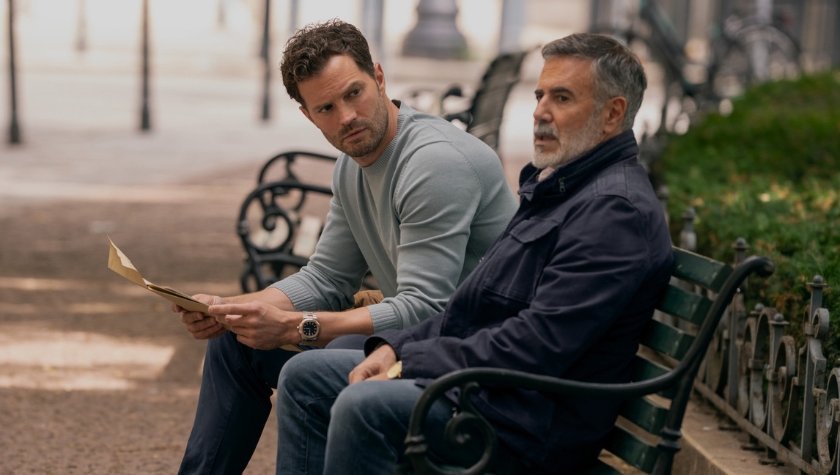
“The clues are all there,” Appleton said in the Gold Derby interview. “And the fun of the structure is picking out the things that you know that you feel are going to be significant as you get along later. Everything you thought was true might not be completely true.”
One fun aspect of a heist story is its rewatchability. Leaving those clues makes a second watch just as enjoyable as the first.