The Industry Standard Screenwriting Software

Final Draft is the only screenwriting tool you need.

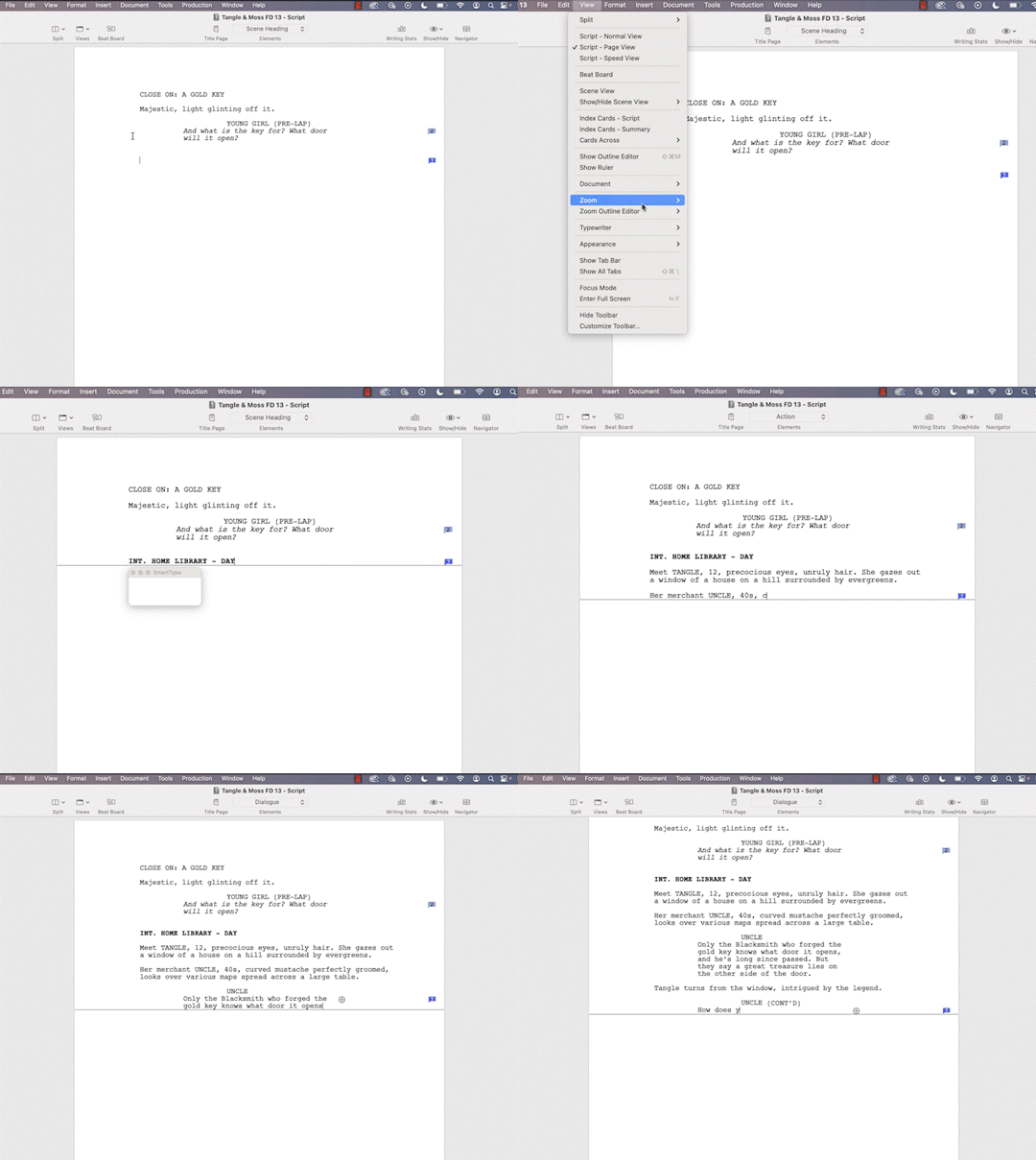
The number one-selling screenwriting software for over 30 years, Final Draft automatically formats your screenplay to entertainment industry standards so you can focus on what you do best - writing.


Turn your idea into a production-ready script for film & TV, theater, documentary and other forms of media. Final Draft has all the features you need to plan your story, collaborate with other writers, run production reports, and share your script with the world.

Used in

0%

of Hollywood productions
Available in

0

languages
Chosen by over

3 million +

writers
Used in

100

countries

Introducing Final Draft Cloud


Now Available in Final Draft Suite

Find the Final Draft product 
that's right for you.

Final Draft Suite


Two powerful tools. One subscription.


  • Final Draft Cloud
    • Elegant, minimal online writing interface (perfect for beginners)
    • Secure cloud storage for all your script and project files
    • Enterprise-secure collaboration and sharing
  • Final Draft 13
    • The industry-standard screenwriting software for desktop
  • Low monthly or annual subscription

Try Suite FREE for 5 Days

Final Draft 13


Best for personal, desktop application use.


  • The industry-standard screenwriting software
  • Used by 95% of film and TV professionals
  • Access production features and advanced screenwriting tools
  • Advanced outlining and story development tools
  • One-time purchase
  • Does not include Final Draft Cloud

Purchase Final Draft 13

Final Draft 13 for Students


Best for educational, desktop application use.


  • The industry-standard screenwriting software
  • Specially discounted price for students
  • Advanced outlining and story development tools
  • Requires student verification to purchase
  • Does not include Final Draft Cloud
  •  

Purchase Final Draft 13 Educational

Final Draft 13 Educators & Non-profits


Best for teachers, educators, and non-profits.


  • Teach using the industry's bestselling screenwriting software
  • Discounted price for educators
  • Technical support and educational resources available
  • Requires educational verification to purchase
  • Does not include Final Draft Cloud
  •  

Purchase License for Educators & Non-profits

Final Draft 13 for Studios & Production


Best for studios & production companies.


  • Multi-user licensing at a discounted rate
  • Perfect for writers room and production teams
  • Used by 95% of film and television industry
  • Technical support and upgrades included in cost
  • Does not include Final Draft Cloud
  •  

Purchase License for Studios

Who uses Final Draft?

Final Draft is the preferred screenwriting software of beginners, professionals and award-winners. Here are just a few of our testimonials.

"It's a beautiful thing when you find a program or an app that does exactly what you want it to do, that feels intuitive in that way, and I've felt for years that Final Draft achieves that."
- Shawn Levy (Deadpool & Wolverine, Free Guy, Night at the Museum)

"Final Draft makes it so much easier – and it's motivating when what you're working on looks like a script."
- Sofia Coppola (Priscilla, Lost In Translation)

"I would not be alive today without Final Draft."
- Jesse Eisenberg (A Real Pain, When You Finish Saving The World)
heroicons/solid/quote

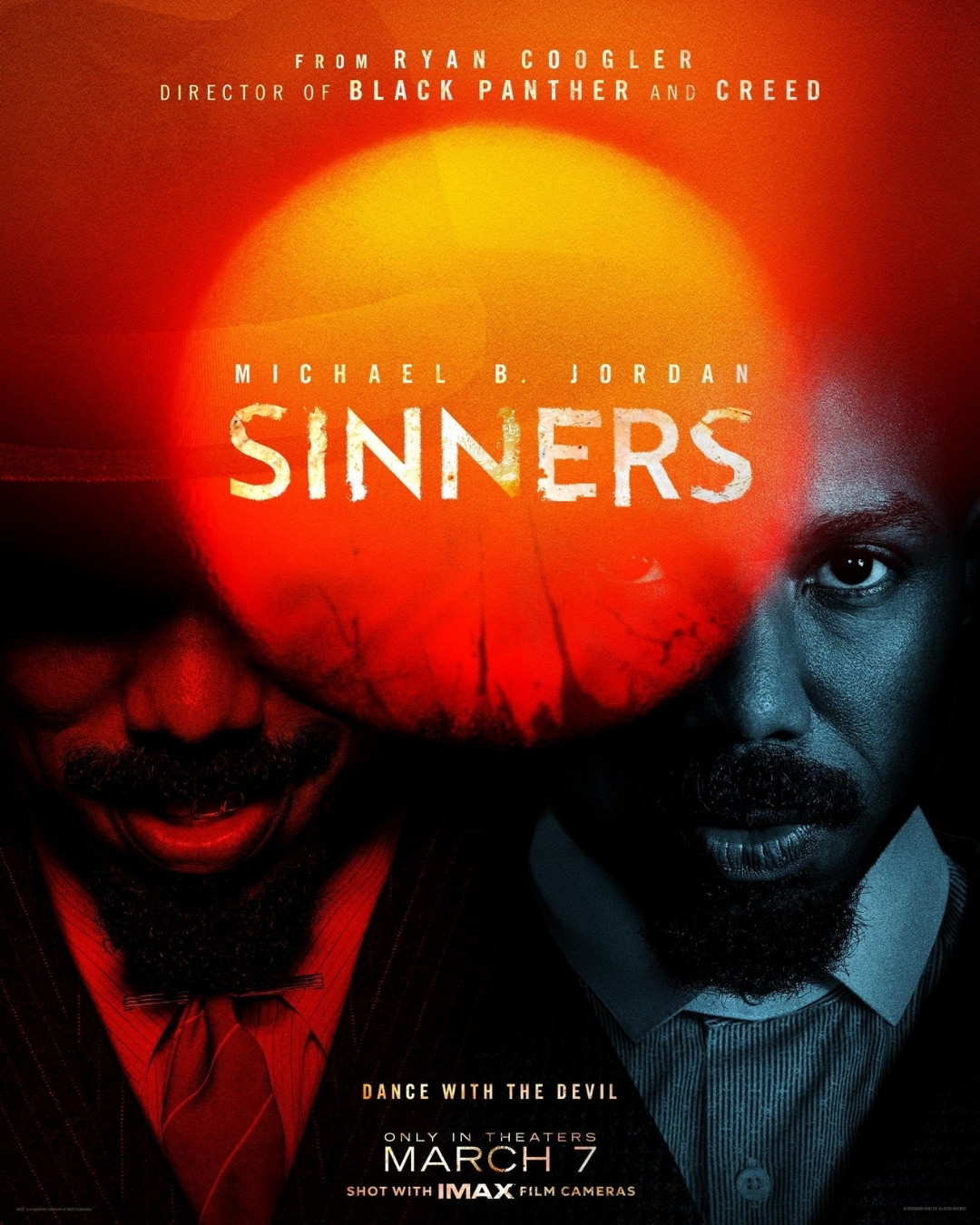
"[My wife] bought me a screenwriting software, Final Draft... I found something that I really loved."

Ryan Coogler (Sinners, Black Panther, Creed)


Read the full Fortune interview

The latest from Final Draft

What’s new

Interviews, industry news, podcasts, tips, tricks, and information you need to inspire your writing!
More from the blog


Write On: Writer/Director Benny Safdie - 'The Smashing Machine'

On today’s episode, we chat with Writer/Director/Actor/Editor, Benny Safdie, about his latest movie The Smashing Machine

How Big Break Category Winner Xavier Burgin Sold His Script

Many emerging screenwriters hope their script will win a major competition like the Final Draft Big Break Screenwriting Contest. For writer/director Xavier Burgin, not only did that hope become a reality, but it also became something even more exciting: a produced film.

Burgin won the 2023 Big Break Diversity Category with his screenplay On Time, which would go on to become the Lifetime movie Give Me Back My Daughter. Obviously, the script was already very good when he entered it. But according to Burgin, it was the validation, momentum, and industry access that helped push his script across the finish line.

Validation That Cuts Through the Noise

By the time On Time won Big Break, Burgin was a working writer. He already had credits across television and film, including writing for Starz’s Heels and directing the acclaimed documentary Horror Noire: A History of Black Horror. He even had representation.

But as he explains, none of that guarantees your script will break through.

“Just because you have an agent and a manager, it doesn’t mean that everybody’s going to watch the stuff or that everybody is automatically going to see it,” he says. 

That’s where Big Break made a big difference. For Burgin, the competition served as a trusted stamp of approval, one that got gatekeepers to pay attention.

“The validation of knowing that people behind this saw merit in this [script] only pushed me more to want to try and get this done,” he says. 

This is a critical distinction for emerging writers: Contests aren’t just about discovery, they’re about buzz. A script can circulate for years, but the right endorsement can suddenly reposition it as viable and worth reading.

Getting the Script into the Right Hands

Burgin emphasizes that On Time had already been making the rounds. It wasn’t a brand-new script written specifically for competition submission; it was a project he had been developing for years. It was the Big Break win that ultimately helped unlock the next step.

When new industry interest began to percolate, his team leveraged the competition as evidence of quality, making potential buyers more willing to read the script. 

That small shift, getting someone to actually open the PDF, can be the difference between a script stalling out and moving forward.

The Myth of the Finish Line

It’s easy to assume that having a produced film, especially one tied to a popular network like Lifetime, would change everything overnight. But Burgin offers a more grounded perspective.

“What’s true for the film industry is it almost feels like you knock something out and it’s like resetting,” he says. 

That “reset” mentality is one of the most important career truths for working writers. Each success creates opportunity, but it doesn’t replace the need to keep generating new material.

Which is why Burgin immediately returned to writing.

Since the film’s release, he’s completed a sci-fi script, written a romantic comedy, and continues to develop projects across multiple genres. Rather than narrowing his focus post-success, he’s expanding it.

Writing Across Genres (Even If You’re Told Not To)

One of the more surprising aspects of Burgin’s approach is his refusal to stay in a single lane. While industry advice often encourages writers to specialize in a single genre, especially for branding and marketing purposes, Burgin has built his career by following his creative instinct instead.

“I write what I want to write and what actually brings me joy,” he says. 

His credits reflect that philosophy: Horror, sci-fi, drama, romantic comedy, and wrestling. For Burgin, the connective tissue isn’t genre, it’s personal passion.

“I’ve never really tethered myself to trying to write in one category,” he adds. 

He’s also realistic about the trade-offs. He acknowledges that this approach may make marketing more complex, but for him, the creative payoff is worth it and keeps him unstuck.

For screenwriters, this raises an important question: Are you building a brand, or are you building a body of work? Burgin’s career suggests there’s room for both, but only if the writing itself is strong across genres.

Craft Advice: Clarity Over Cleverness

When it comes to advice for writers entering Big Break, Burgin doesn’t get philosophical; he gets practical. His biggest advice is to have efficiency on the page.

“Go through all your scripts. See how efficient the pages are. Ask yourself if you can get across eloquently what you have to say with less words,” he says. 

This note comes directly from an understanding of how scripts are actually read in the industry. Readers are busy. They’re often looking for reasons to stop reading rather than continue.

“If they see that big wall of text, there’s a good chance they’ll skip over it.” 

In other words, readability is a strategic factor.

This speaks to a broader industry truth: the best scripts are not just well-written; they are well-engineered for reading. Clean action lines, purposeful dialogue, and visual clarity all contribute to a smoother read and a better shot at holding attention.

The Intangible That Actually Matters

Beyond technical execution, Burgin points to something harder to quantify: Passion.

“I think what [competitions] recognize is passion, if the story feels like it’s truly them, if there’s soul underneath it,” he says. 

This is where many writers go wrong. Instead of writing the story they care about, they try to reverse-engineer what will “win” or “sell.”

Burgin rejects that idea.

“Just write the story that matters to you, versus saying, ‘I should write this thing, and this will be the thing that gets me to the next level.’ None of that works,” he says. 

It’s an accurate assessment. Competitions like Big Break aren’t just evaluating structure or concept, they’re responding to your voice. And your voice is impossible to fake.

Learn more about entering Final Draft’s Big Break Screenwriting Contest.

Writing Hero and Villain as Mirrors: Jeremy Robbin’s Unique Approach to Character in ‘Apex’

If you love survival stories as much as we do, you’re in for a treat with Apex, a new thriller starring Charlize Theron and Taron Egerton. 

The story centers on recently widowed Sasha (Theron), whose daredevil sense of adventure tests all human limits. What she might call daring borders into danger when she attempts a solo trek deep in the caves of Australia’s Blue Mountains. Little does she know she’s about to come face to face with a serial killer, Ben (Taron Egerton), whose homemade beef jerky isn’t FDA approved. We sat down with the writer, Jeremy Robbins, to find out more about crafting both predator and prey in this deadly game set in the Outback. 

For screenwriter Jeremy Robbins, the trek to his first produced feature was a slow grind, not unlike the grueling climb his protagonist endures when the film begins on the side of a steep mountain in Norway. After going to film school at Columbia University, Robbins built a steady career in television over eight years, including writing on USA Network’s The Purge. Then the pandemic hit. 

“Much of the TV stuff that I was doing got shut down, the room that I was in didn't reopen. The TV stuff I had been developing, we didn't take out. I was sort of at this place where I was standing in this room, wondering, what do I want to write when no one's asking for it? When no one's telling me to write it, it's not a rewrite for somebody else, it's not for a showrunner?”

The answer led him back to the stories he had always loved growing up which were survival thrillers. Stories about endurance, about pushing past the breaking point, about what it means to stay alive when everything is working against you. That instinct became Apex, about a rock climber who finds herself hunted in the wilderness, forced to rely on her skill, instincts, and grit to survive.

Charlize Theron in 'Apex'

“I was just writing something that I loved,” Robbins says. “I was writing the kind of movie that I really wanted to see.” 

For most of us during the Covid lockdown, the world seemed like a scary place. As Robbins watched loss unfold on the news, he tried to see the positive side of those who survived. “There is something about that kind of resilience that is really hopeful,” he says. 

The idea for Apex first came to him as a simple image. Robbins remembers pitching the opening scene to his wife while they were on vacation: A man and woman inside a tent. The zipper opens, and instead of stepping onto solid ground, they’re suspended on the side of a mountain. It’s a shocking visual that immediately communicates danger. His wife encouraged him to write it, and over the course of the pandemic, Apex became his focus.

After finishing the script, Robbins moved into attaching producers and exploring different versions of the project. There were moments of momentum, including interest from actors and directors, but nothing stuck. 

“It was kind of on a slow train to nowhere,” he says. 

Then something unexpected happened. After stepping away from Apex for nearly a year, writing other material and gaining distance, he returned to it with a clarity that had been impossible while he was working on it every day.

“I had so much perspective that you never get when you’re working on a script,” he says. 

That distance proved invaluable. Instead of second-guessing, Robbins knew exactly what the story needed. The rewrite he delivered from that place of clarity became the version that finally moved forward, eventually landing in front of Charlize Theron and director Baltasar Kormákur. That time away from the script allowed his brain to come back to it with a new perspective.

Robbins grew particularly interested in the psychology of the kind of person whose relationship to fear is fundamentally different from the rest of us. He really pushed his character Sasha to the edge in her need for danger. But that also meant he needed to push his antagonist to the extreme as well.

Taron Egerton in 'Apex'

He saw Sasha and her predator, Ben (Egerton), not as opposites, but as reflections of each other. “With one little turn, you go from hero to villain and it's really hard to tell the difference sometimes. I really see Sasha and Ben as two sides of the same coin, and if you just move a little bit to the left, you end up as Ben, and a little bit to the right, you end up as Sasha, and that kind of psychology. Someone who's pushing the limits beyond what you and I can understand, but to them is normal, where is that line? What was so exciting to me about that character, was that she doesn't really know where that line is and she's trying to find it.”

In other words, Ben isn’t just a threat, he’s an extreme version of Sasha’s own philosophy. To survive, she must briefly become like him, then reject that path. It makes for an incredibly satisfying battle of wits and brawn. 

Throughout the script, Robbins leans heavily on action rather than exposition or dialogue. Instead of explaining Sasha’s emotional state, particularly her grief over her recently deceased husband, he lets the audience understand her through what she does, what she endures, and how she responds under pressure. 

Charlize Theron in 'Apex'

“How can we learn about this person through what she does?” he says. It’s a question that sits at the heart of great action writing.

Rather than treating Ben as a traditional serial killer, Robbins approached him as a fully realized character with his own logic and worldview. “I wanted to treat him as if he’s the hero of his own story,” he says. By stripping away the label and focusing on motivation, Robbins created a character who feels even more dangerous because he believes what he’s doing is just.

But perhaps the biggest lesson that Robbins took from Apex had nothing to do with character or genre tropes. It was about instinct.

“If I had asked people permission to write this movie, I’m sure they would have given me 100 reasons not to,” he says. 

Instead, he trusted his own taste. He wrote the movie he wanted to watch, and he created something that resonated beyond the page. It’s a reminder that the work that breaks through is often the work that starts as something personal. Something you would write even if no one were asking for it.

Apex streams on Netflix April 24. 

two men holding final puzzle piece - avoid filler scenes
How to Avoid ‘Filler’ Scenes in Your Screenplay

There is a common moment as script readers are reading and evaluating scripts when certain scenes are just… there. 

They’re not necessarily always bad. They may read fine. The dialogue could even be good, great, or, at the very least, sufficient. The action may flow. But nothing is really happening.

These are most commonly known as filler scenes. They may be written well-enough as stand alone cinematic moments, but they don’t actively push the story forward, deepen character arcs, or raise the stakes. 

What filler scenes usually do is:

Slow story momentum down Weaken pacing Cause script readers or the audience to disengage  

And that’s not something any screenwriter wants to happen. 

The good news is that filler scenes are avoidable, and they are fairly simple to spot as well. 

With that in mind, here we discuss how you spot filler scenes in your scripts, and how you can either fix or delete them to make your script even better.  

When a Scene Become a Filler

All screenwriters can conjure a great scene. That’s really part of the fun of writing scripts. You get to find ways to create not just scenes, but moments

Where screenwriters at any experience level can go wrong is not making sure those hilarious, terrifying, thrilling, or heartwrenching scenes actually serve the script. Writing a powerful or entertaining scene is great. Making sure it flows well within the script is the true display of screenwriting talent. 

A scene becomes filler when:

It doesn’t move the plot forward It doesn’t reveal anything new about the character It doesn’t increase the stakes or tension It doesn’t evolve the conflict characters are facing It repeats information the reader or audience already knows

It may check one of those boxes slightly, but not in a significant enough way to really belong in the script. 

Every scene should create change and forward progression. If it doesn’t, no matter how amazing the scene is, it should be the first scene you delete in your rewrites before you go looking for more. 

An age-old screenwriting phrase touches on the need to kill your darlings, which means that sometimes you’ll have to delete those treasures you otherwise love but don’t fit within the big picture of your script. 

If you look at a classic cinematic film like Jaws, you’ll notice that every single scene matters. We don’t just get scene-after-scene of the shark killing unsuspecting victims. Each scene builds the tension and raises the stakes higher and higher and higher until the final climax. We’ve seen plenty of copy cats make the mistake of creating filler scenes of a “monster” terrorizing their victims. But none of them match a film like Jaws where the tension is always growing, the conflict is getting bigger and bigger, and the stakes turn from the town losing tourist revenue to protagonists (not to mention pets and children) losing their lives. 

Every scene needs to change the story. Fillers don’t do that, even if they are written well. 

Why Filler Scenes Happen

As we mentioned before, filler scenes pop up in screenplays from all levels of screenwriters. Beginning screenwriters write them, and so do experienced pros as well. 

Filler scenes are a natural part of the screenwriting process. They’re going to happen. They’re going to pop up in your early drafts. The lesson is learning how to spot them when they do happen so you can make your further drafts stronger.  

During the writing process, writers are figuring the story out. Even if you have a detailed outline going into the writing stage, you’ll still see filler scenes that are created on the fly, or ones that have slipped through the cracks in the outline. 

When you’re writing, you’re exploring characterization, testing out dialogue, playing with scenes and sequences, and searching for the right sweet spot of pacing. All of that can lead to scenes that just don’t belong in the final draft. 

You may be:

Overexplaining plot points Processing a cool idea floating around in your head Discovering leftovers from a previous draft that no longer need to be present

Don’t worry. It’s natural to see these types of scenes in your work. The key learning point is to be able to spot them. 

How to Spot Filler Scenes in Your Script

Filler scenes are easiest to spot after a full draft is complete. The key during the initial writing process is finishing the script. Get to the end and celebrate that first draft. After a day or weekend of much-deserved celebration, take an extended break from the script. Try not to think about it, talk about it, market it, or do anything else with it.

Then, after a week, two weeks, or even a month if you’re not under a strict deadline, open the script and read it cover-to-cover. This is when you’ll start to see things stand out, in both good ways and bad.

Patterns slowly become more and more clear. 

Repeated beats Redundant dialogue Scenes that don’t progress the story

As you’re reading the draft, you can make note of these types of scenes. When you go into the rewriting phase, you can:

Cut scenes entirely Combine multiple scenes into one stronger scene Add additional conflict that results in higher stakes present within that scene

When trying to decide what to do, ask yourself questions like:

Is new information revealed? Is a protagonist’s or antagonist’s decision made or altered? Do relationships shift? Do the stakes go higher? Does a goal become more difficult to achieve? Does the conflict evolve and multiply? If I take this scene out of the script, does anything change for better or worse?       

The answers to these simple questions will help you spot filler scenes with ease. 

Keep an Eye Out for Repetitive Scenes

Some filler scenes may seem like they are there for a reason, but if they are overly repetitive, you’re risking the script reader or audience losing interest because you keep saying the same thing over and over again. Always try to look specifically for repetition in your scenes

Two characters arguing about the same situation in multiple scenes without escalation Information we already know being told to other characters Multiple displays of the same emotional reaction without change Multiple scenes of action, thrills, scares, or laughs that are created for the sole purpose of just offering more action, thrills, scares, and laughs

Trust the script reader and audience. You don’t need to force your points over and over. They’ll pick up on what you’re trying to say, and what experience you’re trying to give them. 

Turn Transitional Filler Scenes Into Story

Sometimes you need transitional scenes to get you from Point A to Point B. There’s nothing wrong with that. However, the transitional filler scenes can be turned into scenes full of necessary and powerful story, characterization, and conflict. 

Travel scenes, check-in scenes, and expositional scenes usually lack tension. They’re not story. They exist as bridges to the next scene or sequence. There’s nothing wrong with those types of scenes. Sometimes they are needed. However, you can make them matter to the story. You can dramatize them in a way that offers a shift in conflict, stakes, and character/story arcs. 

Example: Instead of having characters calmly go over their plans for their next move, have them disagree over what the next step should be or inject a complication that interrupts the conversation and showcases how each character reacts. 

Even moments of planning or problem-solving can be driven by urgency, uncertainty, and conflict. Installing that type of addition into your transitional filler scenes can not only help you to avoid losing those otherwise well-written moments, but they can also turn those moments into vital parts of your story. 

Rewrites Made Easy

Once you know and understand what filler scenes are and how they can affect your script, the rewriting process is much easier to get through. It isn’t about cutting everything down to the bare minimum (although sometimes that isn’t a bad idea). It’s about ensuring that every moment in your script matters

Every scene should:

Move the story forward Reveal or confirm something new Increase stakes and tension

If you follow and apply those three directives, you’ll see that your script will create momentum with each scene, which, in turn, creates amazing pacing to keep script readers and audiences engaged. Your scripts will feel tighter, more engaging, and more cinematic. And that’s exactly the type of scripts Hollywood is always looking for in future prospects. 

They’re not just looking for good writing. They’re looking for stories that keep giving them a reason to turn the page. 

Spotting, Fixing, and Deleting Filler Scenes Helps You Evolve

You should always try to be training yourself to write like a pro, even when you’re first starting out. Spotting, fixing, and deleting filler scenes isn’t just about making your screenplay better. It’s also about training yourself to avoid having them show up in the first place. 

Yes, even experienced pro screenwriters continue to deal with filler scenes they’ve written. But as you evolve as a screenwriter, you’ll start to see those filler scenes earlier on in the process. You’ll then either inject them with more conflict and stakes to make them matter, or you’ll scrap them early before they become embedded within your drafts. 

This knowledge and experience helps you to be able to write fast and amazingly well at the same time. You’ll gain confidence in your abilities as you see that your rewrites are becoming easier and easier to get through. Problem-solving becomes that much easier as well. 

These types of traits will not only help you to write better scripts, but they’ll likely become the deciding factor between whether or not a production company, studio, network, or streamer chooses you over another for a contracted pro writing assignment. If you can showcase that you’re up to the challenge, and can meet tight contract deadlines (one to two months to write a solid first draft), you’ll be the one signing on the dotted line more often than not. 

Your Next Step

Consider going through all of your screenplays with these thoughts in mind. If you’ve written just a couple, read through them and search for those filler scenes. If you’ve written multiple scripts, maybe it’s time to take them off the shelf, dust them off, and revisit them with a new set of eyes. Maybe the changes you make with this new perspective will turn one of your scripts into a new Hollywood prospect. 

What is Situational Irony? How to Use It in Your Writing

What is situational irony? At its basic level, it’s a type of irony that refers to an actual outcome being contradictory to what was expected. It’s not just major situational moments in movies and TV shows, but could also be a humorous headline from The Onion, a marriage counselor filing for divorce, or someone posting on social media how social media is bad for you.

Situational irony is everywhere and, as a screenwriter, you can use it to enhance your story and add depth to characters and the plots you place them in.

Different Kinds of Situational Irony

There are 3 main types of situational irony you can use. Knowing what they are, how they differ, and whether or not they make sense in the story you want to tell, will determine what kind you want to apply.

Poetic Irony

Poetic irony is when a character’s fate is especially fitting, often in a dark or unexpected way. It usually reflects their actions, beliefs or flaws. Think of it as karma or “poetic justice.”

The Lion King - Scar is killed by the hyenas he once controlled. Inglorious Basterds - Just when the villainous Nazi thinks he’s escaped, he is branded permanently as a Nazi with a carved swastika in his skin. Iron Man - Toward the end of the film that started the Marvel Cinematic Universe, Tony Stark (Robert Downey Jr.) is battling his old pal, Obidiah Stane (Jeff Bridges) in their own iron man suits. Stane’s is bigger and stronger but, the poetic irony comes in when they are rocketing into the atmosphere and Stark says, “How did you figure out the icing problem?”

The reason why villains getting what they deserve is so satisfying is usually because of poetic irony, and the audience loves to see it.

Jeff Bridges in 'Iron Man'

Cosmic Irony

Cosmic irony is a type of situational irony that has to do with fate. In other words, some powerful force takes care of the events as if to mock or irritate the protagonist or any other character it chooses.

Cosmic irony involves fate, destiny or the power of the gods. If you ever have a character reach their hands to the heavens and yell, “Why God?,” then you might have some cosmic irony going on.

Cosmic irony tends to be tragic or humorous.

Groundhog Day - Phil (Bill Murray) is stuck living the same day over and over with no explanation Liar, Liar - A lawyer who “lies” for a living can’t tell a lie for 24 hours A Serious Man - In the Coen Brothers’ loose adaptation of the biblical Book of Job, a man’s life starts falling apart and leads to his questioning of God’s reasons Titanic - An unsinkable ship just so happens to hit an iceberg and sink.

Structural Irony

Structural irony is a type of situational irony that contrasts something surface-level with what’s really lying underneath. In other words, the storyteller is purposely deceiving the audience.

A perfect example is the “fish out of water” scenario, in which the audience is learning about the world through the protagonist’s eyes.

Memento - A man who can’t make short-term memories is determined to solve his wife’s murder, but how he pieces clues together reveals something more sinister Forrest Gump - Forrest (Tom Hanks) is not a smart man, but throughout the story the audience learns there is something far deeper than his surface shows Nobody - What looks like a dopey middle-aged man on the surface ends up being a trained killer underneath when pushed too far Bob Odenkirk in 'Nobody'

How Does Situational Irony Differ from Other Ironies?

Dramatic Irony vs. Situational Irony

Dramatic irony requires the audience to have more information than the character. For instance, in The Truman Show, Truman (Jim Carrey) navigates the world he has always known while the audience (both inside the movie and the movie-goer) knows otherwise.

Dramatic irony isn’t as dependent on a surprise or unexpected twist as it would in situational irony.

Verbal Irony vs. Situational Irony

Verbal irony at its core has to do with what the character says, and the irony comes from the actual meaning versus what they say. A classic case of verbal irony is saying how nice the day is when it’s pouring rain. Situational irony would be knowing it’s supposed to be a sunny day so you plan a picnic, only it starts raining.

Whereas verbal irony is a comment, situational irony is reflective of the event.

How Writers Can Use Situational Irony

Situational irony is a great tool used by some of the best filmmakers and storytellers, even if they don’t realize they’re using it. But now that you’re aware of situational irony, you can use it to enhance your story, build off a new idea and add depth to your characters.

Here are some situational irony examples.

Let the Characters Create Their Own Downfall

This is an example of a protagonist’s strength becoming their weakness. 

A perfectionist causes chaos by over-controlling A protector ends up putting loved ones in danger A truth-seeker uncovers something that destroys them

Think about Batman (Christian Bale) in The Dark Knight, and how he is a hero who must become the villain.

Play the ‘What If’ game

Not only is the ‘What If’ game useful in situational irony, it’s also a great tool if you’re suffering from a little writer’s block. This involves creating an unexpected situation that yanks the protagonist from their comfort zone.

What if my character’s ex showed up in this scene? What if the professor at the magical boarding school who was thought to be a villain has actually been helping the boy wizard the whole time? While delivering the money to release the hostage, what if the hero gets into a major car wreck?

Don’t be afraid to get creative here. Who knows, you could get an Oscar nomination for a movie that ends with raining frogs (wink, wink: Magnolia).

Mislead Expectations

The movie Get Out feels like it’s going to be about awkward social discomfort and ends up turning into something far more sinister. As long as the clues are planted throughout, the audience will forgive you for misleading them, which writer/director Jordan Peele did in the first act.

It’s important to play fair so the twist feels earned. Here’s how you can do it:

Lean into familiar tropes Indicate a predictable outcome Then throw in the twist Daniel Kaluuya in 'Get Out'

Reverse Power Dynamics at the Worst Time

This involves flipping the power to a new character or situation. In Send Help, the laughingstock of the office becomes the only one who can help her cruel boss survive on a deserted island. The boss who clings to his real-world power status must relinquish his control in a situation he can’t manage.

Here are some more examples:

The confident character becomes helpless The underestimated character gains control The rescuer needs saving

Another movie example is Jurassic Park in which a theme park built to control dinosaurs shuts down due to malfunction, and the humans lose the power dynamic.

Make Success Feel like Failure (and vice versa)

“Oh my god, what have I done?” If you have your character uttering those words then you have yourself some situational irony. Or maybe the hero has risked it all and lost, but realizes what’s truly important. Both can be used to create emotional depth and even tie themes together.

They win, but at a cost too high They get what they wanted, but it doesn’t satisfy them They realize too late they wanted the wrong this

This situational irony tends to involve protagonists achieving their dreams, but not getting the life they wanted, such as in the film Jay Kelly when an actor who has achieved acclaim and fame realizes he has lost his family in the process. This doesn’t make it the end of the story, but maybe a point where the protagonist changes direction.

When using situational irony, treat it like any tool and use it deliberately to strengthen your story. Not every film relies on it, and sometimes it only appears in a single scene or act. Still, finding moments that surprise the audience can add impact, so as you plan scenes and character arcs, look for opportunities where situational irony can work effectively, and lead you to greater discoveries about the story you’re working on.

2 nondescript people standing at a crossroads
What Are Transitions and How To Use Them

A transition is a formatting element that signals a change from one scene to the next. In screenplay format, transitions appear flush right on the page, between scenes. They were a standard feature of older scripts, when the screenplay functioned more like a technical blueprint, and writers were expected to indicate editing choices on the page.

Contemporary screenwriting has moved away from that model. The script is now understood as a story document, not a shot-by-shot production manual. 

This doesn’t mean transitions have disappeared entirely. A few still serve a real purpose. Knowing which ones, and when to use them, is what separates a modern script from one that reads like it was written in 1953.

CUT TO

When I first broke into the industry, my scripts were filled with the most frequently used transition in old screenplays: CUT TO. It wasn’t until after my first script sale that a producer pulled me aside and told me: “You don’t need CUT TO’s. It’s a waste of page space.”

I was stunned. Wasn’t that the proper format? 

Screenwriting software has a whole menu for them!

He explained we’ve all seen movies. We know scenes cut from one to the next. Writing CUT TO between every scene is like writing “turn page” at the bottom of every page. It’s understood. 

He added that no professional screenwriter used CUT TO anymore. Wanting to see this for myself, I read a recently sold script that same week and sure enough, the producer was right: not a single CUT TO. 

That lesson changed how I wrote. It’ll change how you write too.

Don’t bother with CUT TO: it’s the default edit in every film ever made. Noting it is redundant. If you’re transitioning from one scene to the next with no special intent, let the scene heading do the work.

SMASH CUT

This one earns its place. A SMASH CUT signals a sudden, jarring transition: a hard break designed to shock or jolt the reader. A character wakes up screaming from a nightmare and we SMASH CUT to morning. A tense moment of silence SMASH CUTS to chaos. Use it when the abruptness of the cut is itself part of the storytelling. QUICK CUT functions the same way and can be used interchangeably, as can CUT TO though it is less effective (as discussed above).

MATCH CUT

A MATCH CUT draws a visual or thematic parallel between two scenes. One image echoes another. A spinning coin becomes a spinning planet. A closing door in one location becomes an opening one in another. It’s a stylistic choice, and a meaningful one when used well. But use it sparingly. Your job is to tell a story, not choreograph a film school reel.

JUMP CUT

A JUMP CUT is a specific editing technique associated with French New Wave cinema — most famously Jean-Luc Godard — in which footage is cut in a choppy, discontinuous way. Unless your script is deliberately evoking that aesthetic or satirizing it, leave this one alone.

TIME CUT

A TIME CUT signals an abrupt shift in time within a continuous scene or sequence. It shows up frequently in found footage scripts, where the footage itself is meant to feel fragmented. Outside that context, it’s rarely necessary.

Flashbacks: DISSOLVE TO and RIPPLE DISSOLVE TO

These transitions were once the standard way to enter a flashback. They’re now considered dated. Modern films almost always just cut into a flashback without ceremony. You don't need a transition to flag it, but you’ll still have to make it clear what’s happening. 

You can simply write BEGIN FLASHBACK above the scene heading and END FLASHBACK or BACK TO PRESENT when you return to the present. 

What’s even more streamlined (and how I handle flashbacks these days) is simply writing FLASHBACK and PRESENT within a parenthetical at the end of the respective scene headings. This is usually sufficient with a proper set up (e.g., a character starts talking about a past event).

WIPE TO

A WIPE TO is a transition in which one image literally pushes another off the screen: a new scene sliding in from the side, top, or corner to replace the one before it. It was a common technique in early cinema and enjoyed a high-profile revival in George Lucas's Star Wars films, where the wipes became a deliberate stylistic signature evoking the Saturday matinee serials that inspired them. Outside of that context, the WIPE TO is largely a relic.

FADE IN and FADE OUT

Nothing flags a novice spec script faster than FADE IN at the top of page one. It’s an artifact of early cinema, when films literally faded in from black after title cards. Editors abandoned the technique half a century ago in favor of more subtle and seamless transitions. 

If you’re going for a specific aesthetic such as a period piece or a story that deliberately evokes old Hollywood, these transitions are available to you. Another reason to use FADE IN is if the scene is fading to black for a stylistic or narrative reason (e.g., before a time jump in the story). 

As with all transitions, using FADE IN/FADE OUT should be a conscious choice, not a default. Ask yourself: does this transition convey something the scene heading doesn't already convey on its own? 

If the answer is “No,” don’t use it.

How To Add Transitions in Final Draft

Final Draft includes a full library of transitions, easily accessible in various ways. 

Popular transitions like CUT TO, SMASH CUT and FADE TO BLACK will appear on the page formatted correctly the moment you type it.

You can also place your cursor at the end of a scene, select Transition from the Format menu or the Elements dropdown, and type your chosen transition. Final Draft will automatically align it flush right on the page, in proper industry-standard format.

Finally, you can use the keyboard shortcut Command+8 (Mac) or Control+8 (Windows) to jump directly to the Transition element and select.

The Less Transitions, the Better

Think of a transition as an occasional tool, rather than making it a constant habit. 

Most of the time, your scene heading is all you need. When a specific transition earns its place — when it adds something a scene heading can’t — use it. When it’s just filling space on the page, omit it.

Learning what to leave out is one of the most valuable skills a screenwriter can develop. 

And transitions are a good place to start practicing.

Dr. Strangelove_ Or How I Learned to Stop Worrying and Love the Bomb,
Verbal Irony: What It Is and How to Use It Effectively

Could Chandler be any more ironic? The notoriously sarcastic Friends character, played by Matthew Perry, was constantly slinging one-liners and comedic comments that became his signature. While sarcasm is a form of verbal irony, it’s far from the only kind.

So, what is verbal irony?

Verbal irony is when you say something but mean the opposite, but it’s not lying. Verbal irony is done intentionally, and often relies on tone and context (a classic example is someone standing in the middle of a rainstorm and saying, “Nice day we’re having.”)

Let’s take a look at verbal irony in movies and TV shows, and how you can use it in your next screenplay, starting with its different types.

Sigourney Weaver and Bill Murray in 'Ghostbusters'

The Different Types of Verbal Irony

There are four main types of verbal irony:

Verbal Irony vs SarcasmSarcasm is a type of verbal irony used to mock or criticize something or someone. Peter Venkman (Bill Murray) in Ghostbusters is filled with sarcasm, such as when Dana (Sigourney Weaver) tells him about hearing something say ‘Zuul’ in her refrigerator. Venkman’s response: “Generally, you don’t see that kind of behavior in a major appliance.” Sarcasm can be used for joking, like Chandler (Matthew Perry) in Friends, or it can be mean-spirited, like when the kids in Sandlot make fun of Smalls (Tom Guiry) the first time he tries playing baseball. So, while sarcasm is a form of verbal irony, not all verbal irony is sarcasm. Stable vs. Unstable Verbal IronyStable verbal irony is when you say something that has a clear alternate meaning. An example is when someone says, “I’m so hungry I could eat a cow.” We know they aren’t going to literally eat a cow, but we understand how hungry they are.Unstable irony isn’t as clear though. Think about The Usual Suspects when someone asks Verbal why that’s his name and he responds, “People say I talk too much.” The thing is, he hasn’t talked much in the scene – so it’s unclear whether it’s a play on his lack of talking or that maybe he does talk a lot, just not at this moment. Unstable irony is ambiguous. Overstatement vs. Understatement Verbal IronyUnderstatement verbal irony is when someone tries to downplay a situation. In Monty Python and the Holy Grail, one of the famous scenes is when a knight is challenged to a duel and his opponent cuts the guy’s arm off. The response, “It’s just a flesh wound.”Overstatement verbal irony is the opposite, so someone would exclaim something major regarding something almost meaningless. If it’s been a while since you saw a friend, you might say, “I haven’t seen you in a million years.” That’s a bit of an overstatement. Socratic IronySocratic irony is the technique of posing simple questions. The goal in using Socratic Irony is that by pretending to be ignorant, you expose the ignorance or flaws in someone’s arguments. Why Socratic? It encourages deeper reflection and critical thinking.Think of Elle Woods (Reese Witherspoon) in Legally Blonde who uses her perceived ignorance to win the case. Sacha Baron Cohen in Borat, Bruno or Da Ali G Show are also examples of Socratic irony. Terry Gilliam and Graham Chapman in 'Monty Python and the Holy Grail'

Verbal vs Situational Irony

Verbal irony relies on the use of language and tone, whereas situational irony depends on events and circumstances. Situational irony creates surprise through unexpected twists in how a situation actually unfolds. Perhaps one of the most famous examples of situational irony is the Titanic, an unsinkable ship that hits an iceberg and sinks. As you can see, it’s all about playing on expectations. Another example is The Sixth Sense regarding Bruce Willis’s character (we won’t spoil it.)

Verbal Irony vs Dramatic Irony

Dramatic irony occurs in a story when the audience knows important information that the characters do not. This creates tension or humor, as viewers understand the true situation while characters act on false assumptions.

A very non-humor example of dramatic irony is Romeo & Juliet when the audience knows that Juliet has taken a liquid that makes her appear dead when she’s actually alive. Then Romeo appears at her grave, believes she’s dead and kills himself with poison.

Juliet then awakens and does a bit of verbal irony when she takes Romeo’s knife and says, “Oh, happy dagger,” in which there isn’t anything joyful about it.

Another example is in Coming to America, in which the audience is well aware of Akeem (Eddie Murphy) being the heir to the throne of Zamunda, but everyone he encounters doesn’t know this.

Why Screenwriters Should Use Verbal Irony

Verbal irony can be used in any type of genre to help tell any story. Here are some ways writers can use this literary tool along with some verbal irony examples.

Make People Laugh. This is the most obvious reason and has been used in countless comedies or to help release tension after a suspenseful scene. At the end of Silence of the Lambs, Hannibal Lecter (Anthony Hopkins) tells Clarice (Jodie Foster) that he is going to have an old friend for dinner. This is a perfectly normal line, with the exception that Lecter is a cannibal serial killer staring at his nemesis. Point Out Contradictions, Hypocrisies or Absurdities. In Dr. Strangelove: Or How I Learned to Stop Worrying and Love the Bomb, the President (Peter Sellers) states, “Gentlemen, you can’t fight in here! This is the war room!” Imply Meaning Beyond the Literal Meaning. Forrest Gump (Tom Hanks) will occasionally start a statement by saying, “I’m not a smart man…” And while he isn’t considered smart, it’s verbal irony because the audience understands that he may not be intelligent, but he is wise.

When screenwriters try to figure out how to use verbal irony, they are elevating their characters and making the audience participate in the story. Even though the words aren’t literal, the screenwriter believes the audience will understand the context behind the words.

Irony doesn’t necessarily mean something surprising or unintended happens; it’s all about opposites as it challenges expectations. Verbal irony creates depth, brings the audience along for the ride, and can be used in any genre.